Yale vs Schlage Smart Locks
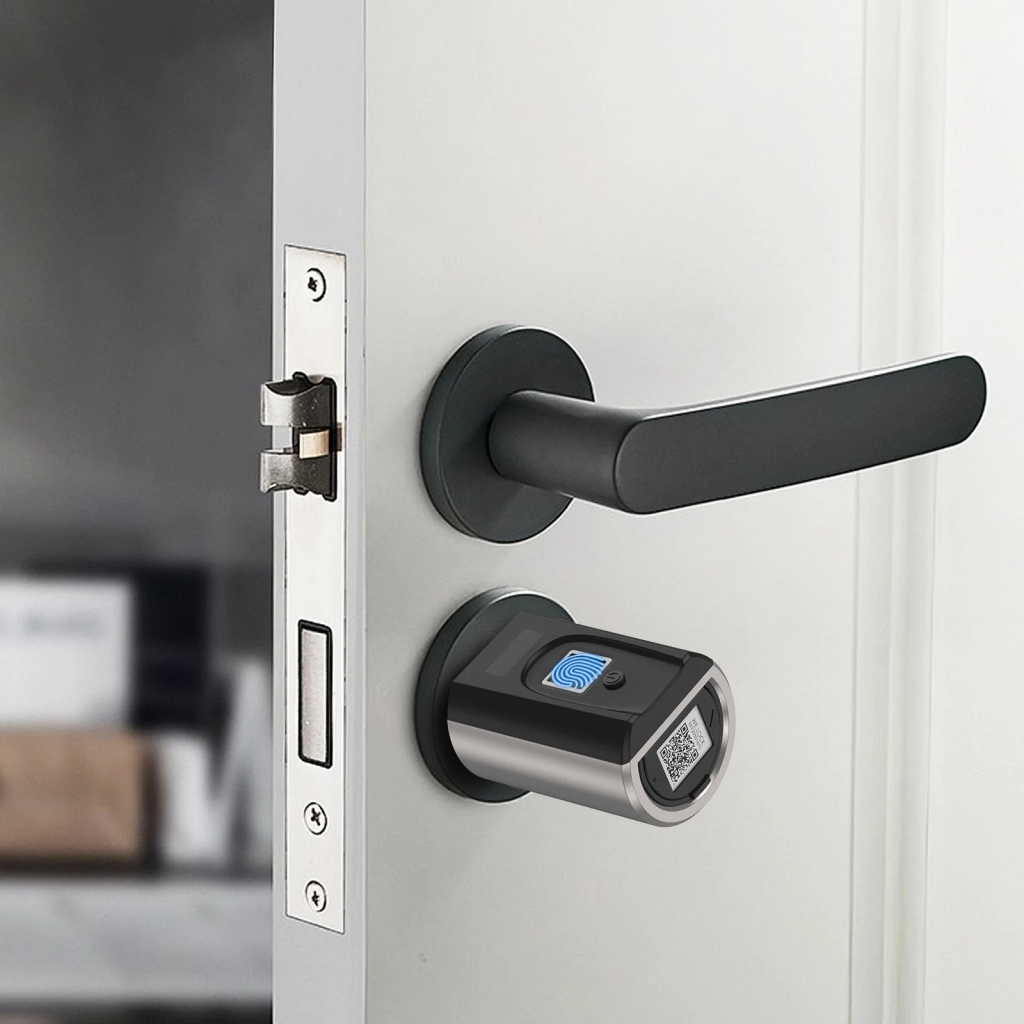
Quick Verdict: The Yale vs Schlage smart lock question pits flexibility against security. The Yale Assure Lock 2 is the modular choice: pick your entry style (including a fast fingerprint reader on Touch models) and add Wi-Fi, Z-Wave, or Matter via a swappable module — adaptable, modern, and fingerprint-capable. The Schlage Encode Plus is the security-first choice: an ANSI/BHMA Grade 1 bolt (the highest residential grade), built-in Wi-Fi with no hub, and native Apple Home Key for tap-to-unlock. Choose Yale if you want fingerprint entry and the freedom to change connectivity over time; choose Schlage if you want the strongest bolt, hub-free Wi-Fi out of the box, and seamless Apple Home Key.
Yale vs Schlage: At a Glance
| Feature | Yale Assure Lock 2 | Schlage Encode Plus |
|---|---|---|
| Security grade | ANSI/BHMA Grade 2 | ANSI/BHMA Grade 1 (highest residential) |
| Fingerprint | Yes (Touch models) | No |
| Keypad | Yes (touchscreen) | Yes (touchscreen, smudge-resistant) |
| Apple Home Key | No (Apple Home via module) | Yes (native NFC tap) |
| Wi-Fi | Add-on Smart Module (sold separately) | Built in (no hub) |
| Connectivity options | Bluetooth + Wi-Fi / Z-Wave / Matter modules | Wi-Fi + Bluetooth; Matter |
| Configurations | Key-free or keyed; keypad or fingerprint+keypad | Keyed; keypad + Home Key |
| Access codes | Large capacity | Up to 100 |
| Power / battery | 4× AA; 9V emergency contact | 4× AA, ~6–12 months |
| Price tier | $$–$$$ (varies by modules) | $$$ |
How We Compared These Locks
This comparison synthesizes independent expert reviews from outlets including TechHive, MacRumors, Tom’s Guide, and Consumer Reports-style evaluations, alongside owner feedback at major retailers, cross-referenced against Yale’s and Schlage’s published specifications. We do not present manufacturer marketing as independent testing. We weigh the dimensions that decide this matchup — security grade, biometrics, connectivity model, Apple Home Key, and value — and we name the winner on each. Neither brand paid for placement.
Security: Grade 1 vs Grade 2
Schlage takes this category outright. The Encode Plus carries an ANSI/BHMA Grade 1 certification — the highest residential rating, equivalent to commercial-grade hardware — reflecting top-tier performance in forced-entry, cycle, and strength testing. The Yale Assure Lock 2 is rated Grade 2, which is a strong, perfectly respectable residential grade that suits the vast majority of homes, but it sits one tier below the Schlage. If the bolt’s raw physical strength is your first priority, Schlage is the clear winner. For most buyers, Grade 2 is more than adequate; for those who want the strongest certified bolt available, the Encode Plus leads.
Entry Methods: Fingerprint vs Home Key
This is where the two brands diverge most sharply, and where personal preference decides. Yale’s standout is fingerprint: on Touch models, a sensor rated around 99% accuracy reads in under half a second, letting any enrolled family member unlock with a tap of a finger — no phone, no code, nothing to carry. Schlage offers no fingerprint reader at all.
Schlage’s standout is Apple Home Key: hold an iPhone or Apple Watch near the lock and it opens in about a second, with no app to open. Yale reaches Apple Home through its Wi-Fi or Matter module but does not offer Home Key tap-to-unlock. Both locks have excellent touchscreen keypads (Schlage’s is smudge-resistant; Yale’s is criticized for being hard to read in direct sunlight). So the entry-method verdict is simple: choose Yale if you want fingerprint; choose Schlage if you want Apple phone-tap entry. Both cover keypad codes and app control well.
Connectivity: Built-In vs Modular
The two brands take opposite philosophies. Schlage builds Wi-Fi directly into the Encode Plus — no hub, no add-on, remote control works out of the box — and supports Matter plus native integration with Apple Home, Alexa, and Google Home. It is the simpler, more self-contained package.
Yale makes connectivity modular. Every Assure Lock 2 includes Bluetooth, and you add a swappable Smart Module for Wi-Fi, Z-Wave, or Matter depending on your ecosystem. This is more flexible — you can start Bluetooth-only and upgrade later, or match a Z-Wave hub like SmartThings — but it has two practical consequences: the Wi-Fi module is often sold separately, raising the real cost, and you have one more component to buy and install. If you want Wi-Fi with nothing extra to think about, Schlage wins; if you value the freedom to tailor and change connectivity, Yale wins.
Design and Configurations
Both locks look modern, but they emphasize different things. Yale offers more shape choices: a key-free version with no exterior cylinder for the cleanest look, a keyed version, and the fingerprint Touch variant — letting you match aesthetics and access style precisely. Its slim touchscreen and discreet fingerprint button are among the best-looking in the category. Schlage offers a more uniform, premium-traditional look across finishes, integrating the keypad and NFC reader into a single clean face. Yale wins on configuration flexibility; Schlage wins on a consistent, security-forward presentation.
Battery and Value
Both run on four AA batteries with comparable life in the months-to-a-year range, and both warn you well before depletion; Yale adds a handy 9-volt emergency contact for temporary power. On value, the comparison depends on configuration: a basic Yale keypad model can undercut the Schlage, but a Yale Touch with the Wi-Fi module added often lands in similar premium territory — and the Encode Plus includes Grade 1 security and Home Key in that price. Read listings carefully, because Yale’s modular pricing can be either a saving or a surcharge depending on what you add.
Long-Term Ownership and Upgrade Paths
The two brands reward different kinds of buyers over the life of the lock. Yale’s modular platform is built for people whose needs change. If you move from an apartment to a house, switch from Apple to Android, or adopt a new smart-home hub like SmartThings, you can swap the connectivity module rather than the whole lock — a genuinely future-proof philosophy that protects your investment as standards like Matter mature. The cost is that you may make those module purchases piecemeal, and that managing a multi-part system (lock plus module) is marginally more complex than an all-in-one unit. For tinkerers and households that expect their setup to evolve, Yale’s adaptability is a real long-term advantage.
Schlage’s philosophy is the opposite: decide once, install a complete and highly capable unit, and stop thinking about it. Built-in Wi-Fi means there is nothing to add for remote control, the Grade 1 bolt is engineered as a single integrated mechanism, and Matter support keeps it relevant without any hardware changes on your part. The trade-off is that you cannot reconfigure what you bought — there is no fingerprint module to add later, for example. Owners who value certainty and a self-contained front door over flexibility tend to be happiest with the Schlage; owners who value the freedom to tailor and re-tailor their lock lean Yale. Both companies maintain well-supported apps and issue firmware updates, so neither choice strands you on dead software.
Who Each Lock Is Not For
Stating the mismatches plainly speeds the decision. Yale is the wrong choice if you want the highest certified security grade (it is Grade 2, not Grade 1), if you want Apple Home Key, if you want Wi-Fi with nothing extra to buy, or if your door faces strong direct sun and you will rely heavily on the keypad. Schlage is the wrong choice if fingerprint entry is a must-have (it has none), if you specifically want a key-free design with no exterior cylinder, or if you want the lowest possible entry price for a basic keypad model. If one of these describes a non-negotiable for you, it usually eliminates one lock outright and makes the choice straightforward.
Which Should You Buy? Verdict by Use Case
Fingerprint Lovers: Choose Yale
If unlocking with a fingertip appeals — fast, no phone, no code — the Yale Assure Lock 2 Touch is the answer. Schlage offers no fingerprint option, so this one isn’t close.
Security-First Buyers: Choose Schlage
The Encode Plus’s ANSI/BHMA Grade 1 bolt is the strongest certified hardware in this matchup. If the bolt’s physical strength is your top priority, Schlage wins.
Apple Households: Choose Schlage
Native Apple Home Key gives the Encode Plus sub-second tap-to-unlock with an iPhone or Apple Watch. Yale reaches Apple Home but lacks Home Key, so Schlage delivers the more seamless Apple experience.
Flexibility and Future-Proofing: Choose Yale
If you want to choose your entry style and change connectivity (Wi-Fi, Z-Wave, Matter) over time without replacing the lock, Yale’s modular platform is purpose-built for that adaptability.
The Everyday Experience Compared
Specifications aside, the two locks simply feel different to live with. On the Yale Assure Lock 2 Touch, the rhythm of daily entry centers on the fingerprint button: family members develop the muscle memory of a quick fingertip tap, and most of the time the door is open before they have thought about it. The Yale Access app is clean and pleasant to navigate, which makes managing codes and sharing access feel low-friction. The one recurring friction point is the keypad in bright sun — on a sun-facing door, the numerals wash out, nudging users toward the fingerprint reader or app instead. For households that embrace biometrics, that is a non-issue; for those relying on codes, it is a real daily annoyance worth weighing.
The Schlage Encode Plus feels different in character: more deliberate, more security-forward. Apple households gravitate to Home Key, where a tap of the iPhone opens the door in about a second, while everyone else uses the smudge-resistant keypad that stays legible in conditions where Yale’s struggles. There is no fingerprint option, so the “no phone, no code” convenience that Yale offers via biometrics is absent — but the Home Key tap comes close for iPhone users. The Schlage also conveys a heftier, more commercial sense of solidity in the hand, consistent with its Grade 1 rating. Neither experience is objectively better; Yale leans toward effortless biometric convenience, Schlage toward secure, deliberate, Apple-centric entry.
Common Mistakes to Avoid
The classic error here is comparing the two on headline price without accounting for what each price includes. A bare Yale keypad model looks cheaper than the Schlage, but adding the Touch fingerprint variant and a separate Wi-Fi module often lifts the real cost into Schlage territory — at which point the Schlage’s built-in Wi-Fi, Grade 1 bolt, and Apple Home Key may be the better package. The mirror-image mistake is buying the Schlage for its security and then wishing you had Yale’s fingerprint entry, which the Schlage simply does not offer. Settle the two questions that actually differentiate these locks — do you want fingerprint or Apple Home Key, and do you prioritize Grade 1 security or modular flexibility — and the right choice becomes obvious before price even enters the picture.
Frequently Asked Questions
Is Yale or Schlage more secure?
Schlage, by certification. The Encode Plus is rated ANSI/BHMA Grade 1, the highest residential grade, while the Yale Assure Lock 2 is Grade 2. Grade 2 is strong and suits most homes, but Grade 1 represents the top tier of certified physical security.
Does Schlage have a fingerprint reader like Yale?
No. The Schlage Encode Plus has no fingerprint sensor; it uses a touchscreen keypad, Apple Home Key, the app, and a physical key. For fingerprint unlocking, choose a Yale Assure Lock 2 Touch model.
Does Yale support Apple Home Key?
No. The Yale Assure Lock 2 connects to Apple Home through its Wi-Fi or Matter module but does not support Apple Home Key tap-to-unlock. The Schlage Encode Plus offers native Home Key.
Does the Yale Assure Lock 2 have built-in Wi-Fi?
Not by default. It includes Bluetooth, and Wi-Fi is added via a separately sold Smart Module (Z-Wave and Matter modules are also available). The Schlage Encode Plus has Wi-Fi built in with no hub.
Which has the better keypad?
Both have touchscreen keypads, but Schlage’s is smudge-resistant and generally easier to read, while Yale’s is frequently criticized for being hard to see in direct sunlight. If your door faces strong sun and you’ll rely on the keypad, Schlage has the edge — or use Yale’s fingerprint reader instead.
Which is better value?
It depends on configuration. A basic Yale keypad model can cost less than the Schlage, but a Yale Touch with the Wi-Fi module added often reaches similar premium pricing — and at that point the Schlage includes Grade 1 security and Apple Home Key. Compare the exact configurations you want before deciding.
Final Verdict
Yale vs Schlage comes down to flexibility versus security. The Yale Assure Lock 2 wins for buyers who want fingerprint entry, a choice of configurations, and the freedom to add or change connectivity over time — a genuinely adaptable, modern platform. The Schlage Encode Plus wins for buyers who want the strongest certified bolt (Grade 1), built-in Wi-Fi with no hub, and seamless Apple Home Key in one self-contained package. Decide first whether fingerprint or Apple Home Key matters more to you, and weigh Grade 1 security against modular flexibility — that single decision points cleanly to one lock or the other. Compare current pricing on both at Amazon to match the right configuration to your door.
Last updated: June 2026
See our main guide: Best Smart Locks.