Deadbolt vs Lever Smart Lock
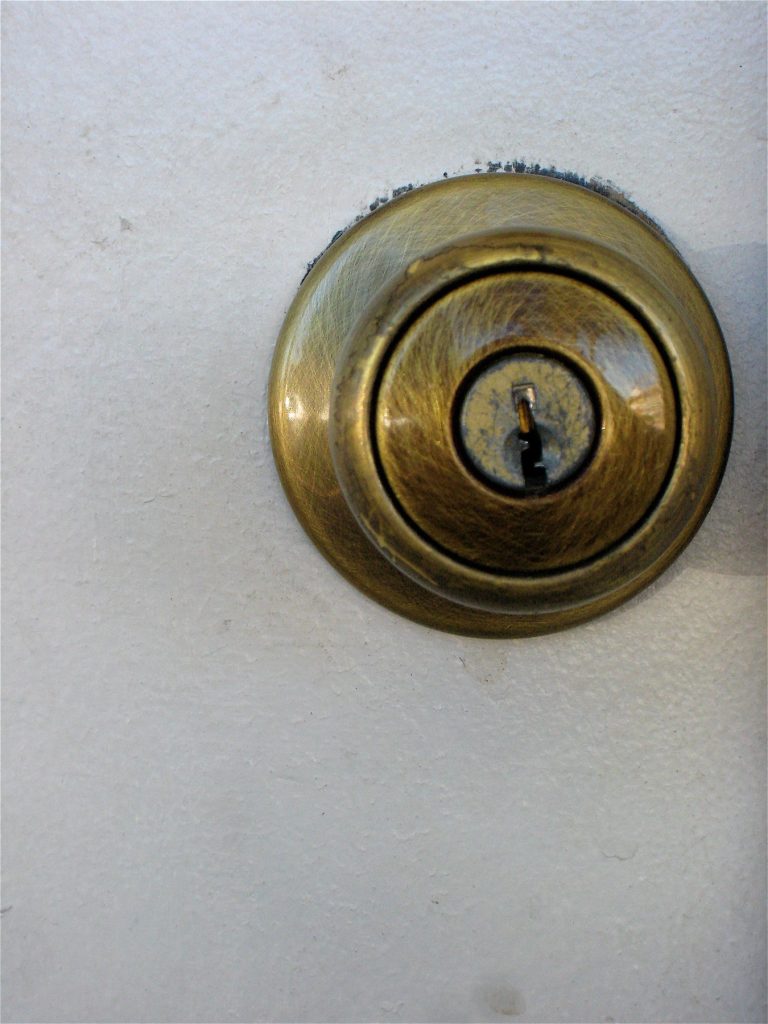
Quick Verdict: The deadbolt vs lever smart lock decision is mostly about the door and its job. A smart deadbolt is a standalone bolt mounted above the handle, offering the highest security and the widest model selection — it’s the right choice for exterior front, back, and side doors. A smart lever (or knob) lock combines the latching handle and the lock in one unit, which is ideal for interior doors, garage-entry doors, offices, and situations where you want one-handed entry without a separate deadbolt. For most homes’ main entrances, choose a smart deadbolt for maximum security; choose a smart lever where convenience, accessibility, or a handle-only door makes more sense.
Deadbolt vs Lever Smart Lock: At a Glance
| Factor | Smart Deadbolt | Smart Lever / Knob Lock |
|---|---|---|
| Mechanism | Standalone throw bolt (no handle) | Latching handle + lock in one unit |
| Typical door | Exterior entry doors (front, back, side) | Interior, garage-entry, office, secondary doors |
| Security | Highest — deep bolt throw into the frame | Lower — spring latch is easier to defeat |
| Entry motion | Unlock, then turn separate handle | One-handed: unlock and open with the lever |
| Accessibility | Two actions | Lever is easier for limited grip (ADA-friendly) |
| Model selection | Very wide (most smart locks are deadbolts) | Narrower |
| Best paired use | Often used with a passage handle below | Standalone on doors that only need a latch |
How We Compared
This comparison synthesizes independent expert reviews and security-industry guidance alongside published manufacturer specifications. We do not present marketing as independent testing. We compare the two lock styles across the factors that actually decide the choice — security, the type of door, entry motion, accessibility, and selection — and we name the better fit for each scenario. We do not accept payment for placement.
How They Differ Mechanically
A deadbolt is a standalone locking bolt that throws deep into the door frame and strike plate. It has no handle of its own; you turn a thumb-turn or use a key, code, or smart method to extend or retract the bolt, and a separate handle or knob below it actually opens the door. Because the bolt is thick, throws far into the frame, and has no spring mechanism that can be slipped, it is the most forced-entry-resistant common residential lock — which is why nearly every premium smart lock (Schlage Encode Plus, Yale Assure Lock 2, Level Lock+, Ultraloq U-Bolt Pro) is a deadbolt.
A lever (or knob) lock combines the latch and the locking mechanism into the handle itself. Turning or pressing the lever both retracts the spring latch and opens the door in one motion. The locking is typically a spring-loaded latch with a smaller throw than a deadbolt, and that is the core security trade-off: spring latches are easier to defeat (with shimming or simple force) than a deadbolt’s solid throw. Smart lever locks are less common than smart deadbolts but fill important roles.
Security: Why Deadbolts Win on Exterior Doors
For any door protecting the outside of your home, the deadbolt is the security choice, and it isn’t close. The deadbolt’s deep, solid bolt throw resists kicking and prying far better than a spring latch, and quality smart deadbolts reach ANSI/BHMA Grade 1 or 2 ratings. A spring-latch lever lock, by contrast, can be more vulnerable to forced entry and shimming, which is why security guidance consistently recommends a deadbolt on exterior entrances — often in addition to, not instead of, a handle. If you are securing a front, back, or side door, a smart deadbolt should be your default.
Convenience and Accessibility: Where Levers Shine
Levers earn their place on convenience and accessibility. Because the lever both unlocks and opens in a single one-handed motion, it is faster and easier than the two-step deadbolt-then-handle sequence — genuinely helpful when your hands are full or when speed matters. Levers are also far more accessible: they require no tight gripping or twisting, making them the ADA-friendly choice for elderly users, children, or anyone with limited hand strength or mobility. For interior doors, garage-to-house doors, office doors, and secondary entrances where convenience and accessibility outweigh maximum forced-entry resistance, a smart lever lock is often the better experience.
Door Type and Use Case
Match the lock to the door’s job. Exterior entry doors almost always already have a deadbolt bore above the handle, and that is exactly where a smart deadbolt installs — leaving your existing passage handle in place below it. Interior and lower-security doors frequently have only a handle bore and no deadbolt, which is where a smart lever lock fits naturally without adding hardware. Garage-entry doors, home-office doors, and connecting doors between living spaces are classic smart-lever territory: you want keyless convenience and one-handed entry, but the door isn’t the primary line of defense against intruders.
Selection and the Practical Reality
One practical point tips many decisions: the smart deadbolt market is vastly larger. The most feature-rich, well-reviewed smart locks — fingerprint readers, Apple Home Key, built-in Wi-Fi, the latest Matter support — are overwhelmingly deadbolts. Smart lever options exist but are fewer and generally less advanced. So if you want the cutting-edge features, you’ll likely be choosing among deadbolts regardless. Many homes end up with the best of both: a smart deadbolt on the main exterior doors for security and features, and a smart lever on a garage-entry or interior door for convenience.
Installation and Door Prep
Installation considerations differ in ways worth knowing before you buy. A smart deadbolt installs into a standard deadbolt bore — a circular hole typically 2-1/8 inches in diameter positioned above the handle — with an edge bore for the bolt. Most exterior doors already have this bore from a previous deadbolt, so a smart deadbolt is usually a direct swap with a screwdriver. If your door has no deadbolt bore (some interior and older doors), adding one requires drilling, which is a more involved job and a reason many people put deadbolts only where the prep already exists.
A smart lever lock installs into the handle bore — the larger hole the doorknob or lever passes through — and replaces the entire handset. Because it occupies the spot your existing handle already uses, it often needs no new drilling on doors that have only a handle. This makes smart levers a tidy single-unit solution for interior and secondary doors that were never bored for a deadbolt. The practical upshot: match the lock style to the holes your door already has, and you avoid drilling; choose against the existing prep, and you take on a bigger installation.
Building a Combined Setup
The most capable homes rarely choose one style for every door. A common and sensible arrangement uses a smart deadbolt on each exterior entry for security and the best features, paired with a matching passage lever or handle below it for opening the door, and then smart levers on the interior or garage-entry doors where one-handed convenience and accessibility matter more than forced-entry resistance. This layered approach puts maximum security where intruders would try to enter and maximum convenience where the household actually lives. When planning such a setup, it helps to standardize on one ecosystem (so all locks appear in the same app and respond to the same voice assistant) and to keep finishes consistent for a cohesive look. Thinking in terms of “which job does this door do?” rather than “which single lock is best?” almost always produces a better-fitting result.
Which Should You Buy? Verdict by Use Case
Front and Exterior Doors: Choose a Smart Deadbolt
Security first. The deadbolt’s deep bolt throw and high ANSI/BHMA grades make it the right choice for any door protecting the outside of your home. It’s also where the best smart features live.
Interior, Garage-Entry, and Office Doors: Choose a Smart Lever
For doors that need keyless convenience more than maximum security, a smart lever’s one-handed entry and clean single-unit install make it the better everyday fit.
Accessibility Priorities: Choose a Smart Lever
If a household member has limited grip or mobility, the lever’s no-twist, one-motion operation is significantly easier and is the ADA-friendly choice.
Maximum Features: Choose a Smart Deadbolt
If you want fingerprint, Apple Home Key, built-in Wi-Fi, or the newest Matter support, you’ll find them on smart deadbolts. The lever category simply offers fewer advanced options.
Smart Features by Lock Style
The feature gap between the two styles is one of the most practical reasons the decision often tilts toward deadbolts. Because manufacturers concentrate their engineering on the deadbolt form factor, that is where the headline capabilities live: fingerprint readers, Apple Home Key tap-to-unlock, built-in Wi-Fi with no hub, the latest Matter-over-Thread support, and large access-code capacities all appear first and most fully on smart deadbolts like the Schlage Encode Plus, Yale Assure Lock 2, Level Lock+, and Ultraloq U-Bolt Pro. If a specific advanced feature is on your must-have list, you will most likely find it only in deadbolt form.
Smart lever and knob locks tend to offer a more basic feature set — commonly keypad codes, app control, and sometimes Bluetooth or Wi-Fi connectivity — which is perfectly adequate for the interior, garage-entry, and secondary doors where they shine. The mismatch to avoid is wanting both a lever’s one-handed convenience and a deadbolt’s cutting-edge features on the same door, because few products deliver both. The cleaner solution, as noted, is to use each style where its strengths fit: a feature-rich smart deadbolt on the front door, and a simpler smart lever where convenience matters more than the latest connectivity. Buyers who set their feature expectations according to lock style avoid the disappointment of hunting for, say, a fingerprint lever lock that the market barely offers.
Common Mistakes to Avoid
The biggest mistake is using a smart lever lock as the sole lock on an exterior door for the convenience of one-handed entry — its spring latch is easier to defeat than a deadbolt, so it leaves your main entrance under-protected. Conversely, some buyers over-spec interior or garage-entry doors with a full smart deadbolt when a simpler lever would have been more convenient and just as appropriate for the door’s lower-security role. A third error is buying against your door’s existing prep, turning what could have been a screwdriver swap into a drilling project. Match the lock style to each door’s actual job and to the holes it already has, and you avoid all three pitfalls.
Frequently Asked Questions
Is a deadbolt more secure than a lever lock?
Yes, for forced-entry resistance. A deadbolt throws a solid bolt deep into the frame and resists kicking and prying far better than a lever’s spring latch, which can be shimmed or forced more easily. Security guidance recommends a deadbolt on exterior doors.
Can I put a smart lever lock on my front door?
You can, but it’s generally not recommended as the sole lock on an exterior door because a spring latch is easier to defeat than a deadbolt. A better approach is a smart deadbolt for security, optionally paired with a handle below it. Reserve smart levers for interior, garage-entry, or lower-security doors.
Are there fewer smart lever locks than smart deadbolts?
Yes. The smart lock market is dominated by deadbolts, and the most advanced features — fingerprint, Apple Home Key, built-in Wi-Fi, latest Matter support — appear mostly on deadbolts. Smart lever options exist but are fewer and often less feature-rich.
Which is easier for elderly users or limited hand strength?
A lever. It opens with a simple one-handed push or turn and needs no tight gripping or twisting, making it the ADA-friendly, accessibility-focused choice. A deadbolt requires a separate unlocking action plus turning a handle.
Do I need both a deadbolt and a handle?
On exterior doors, commonly yes: a deadbolt above for security and a passage handle below to open and close the door. A smart deadbolt installs in the existing deadbolt bore and leaves your handle in place. A lever lock combines both functions in one unit but with lower security.
Can one lock do both security and convenience?
A smart deadbolt gets you security plus keyless convenience features, and you operate the door with the handle below it. If you want one-motion entry on a single unit, that’s a lever — but you trade away the deadbolt’s forced-entry resistance. Many homes use a deadbolt on entry doors and a lever on secondary doors to get both benefits where each matters.
Final Verdict
Deadbolt vs lever smart lock is a question of matching the lock to the door’s job. For exterior doors that protect your home, the smart deadbolt is the clear choice: its deep bolt throw delivers the highest forced-entry resistance, and it’s where the best smart features — fingerprint, Apple Home Key, built-in Wi-Fi, Matter — actually live. For interior, garage-entry, office, and accessibility-focused doors, a smart lever’s one-handed, no-twist operation is the better everyday experience. The smartest setup for many homes uses both: a feature-rich smart deadbolt on the front door and a convenient smart lever where security is secondary. Decide which role each door plays, and the right lock style follows. Browse current smart deadbolt and lever options on Amazon to match your doors.
Last updated: June 2026
See our main guide: Best Smart Locks.