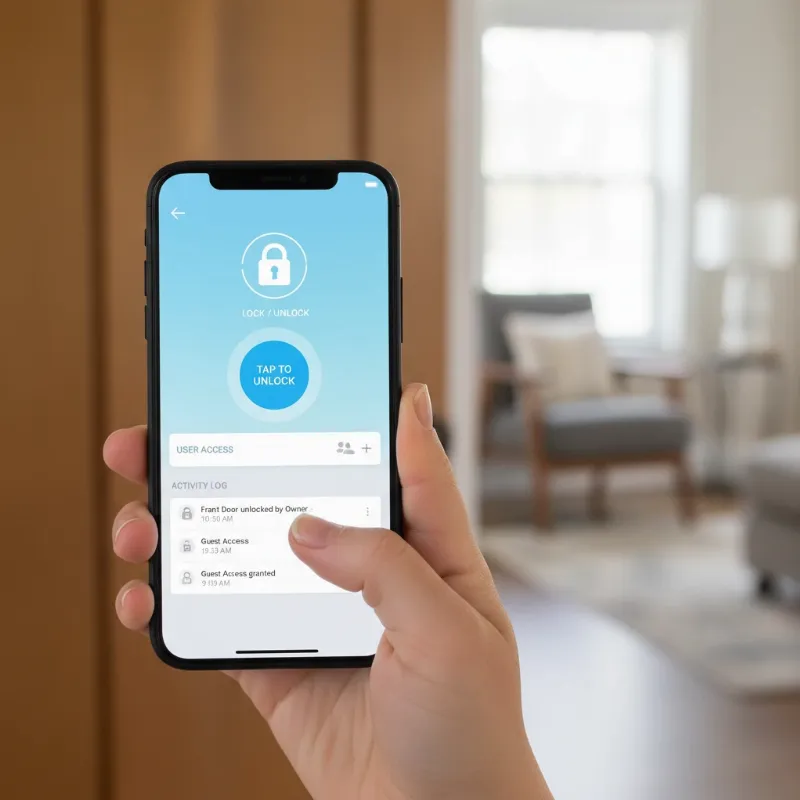
In an increasingly connected world, our homes are evolving into intelligent spaces, and the front door is no exception. Smart locks represent a significant leap forward in home security and convenience, transforming how we protect our most valuable asset. But beyond the immediate benefits of enhanced safety and effortless access, a question often arises for homeowners: “Does a smart lock truly increase my home’s value?” As a seasoned technician with over a decade of experience in smart lock technology, I’ve witnessed firsthand the profound impact these devices have on modern living and property appeal. This article will delve into the multifaceted advantages of smart locks, explore their market impact, and guide you through choosing and maintaining these intelligent guardians for your home.
What Are Smart Locks?
A smart lock is an electromechanical lock designed to perform locking and unlocking operations when it receives instructions from an authorized device using a wireless protocol and a cryptographic key to execute the authorization process. Unlike traditional locks that rely solely on physical keys, smart locks integrate seamlessly with smart home ecosystems, offering a suite of advanced features. These devices often include various access methods, from biometric scanners and keypads to remote control via smartphones.
The journey of smart locks began with basic electronic keypads and has rapidly progressed to sophisticated systems leveraging Wi-Fi, Bluetooth, Zigbee, Z-Wave, and even artificial intelligence. Today, they are at the forefront of home automation, promising not just security but also unparalleled convenience.
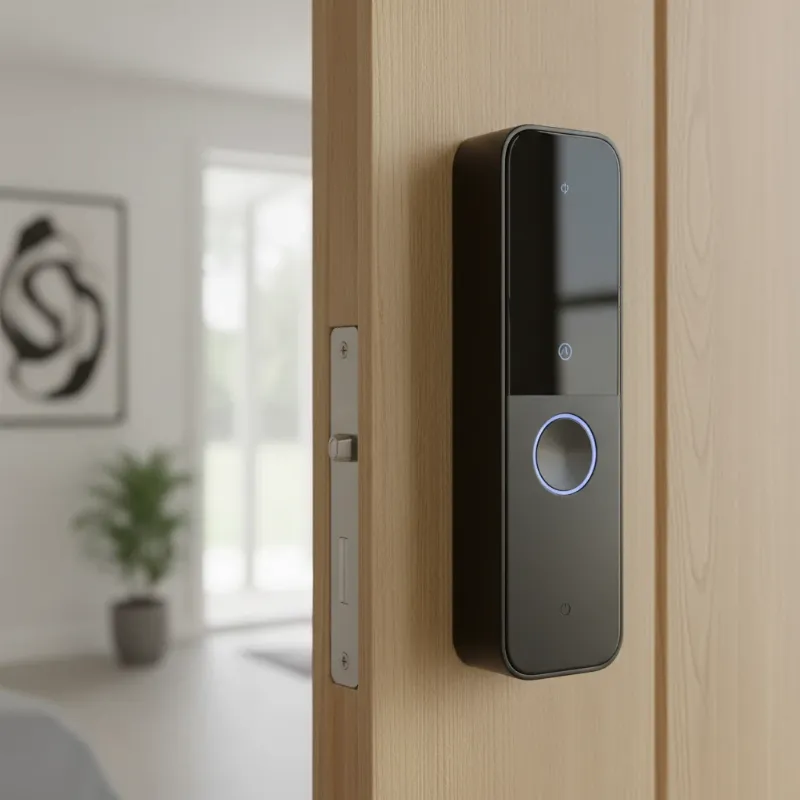 A sleek, modern smart lock on a front door, integrating seamlessly with home design.
The Superior Advantages of Smart Locks
Smart locks are more than just a modern gadget; they offer a wealth of benefits that enhance daily living and fortify home security. Their growing popularity stems from a blend of convenience, advanced protection, and seamless integration capabilities.
Convenience and Ease of Use
One of the most compelling advantages of smart locks is the sheer convenience they offer. Imagine never fumbling for keys again. With keyless entry, you can unlock your door using a fingerprint, a unique access code, a smart card, or even your smartphone. Remote access control allows you to lock or unlock your door from anywhere, a blessing for letting in guests, service providers, or family members when you’re away. Many systems also enable automated locking schedules, ensuring your home is secure even if you forget to lock up.
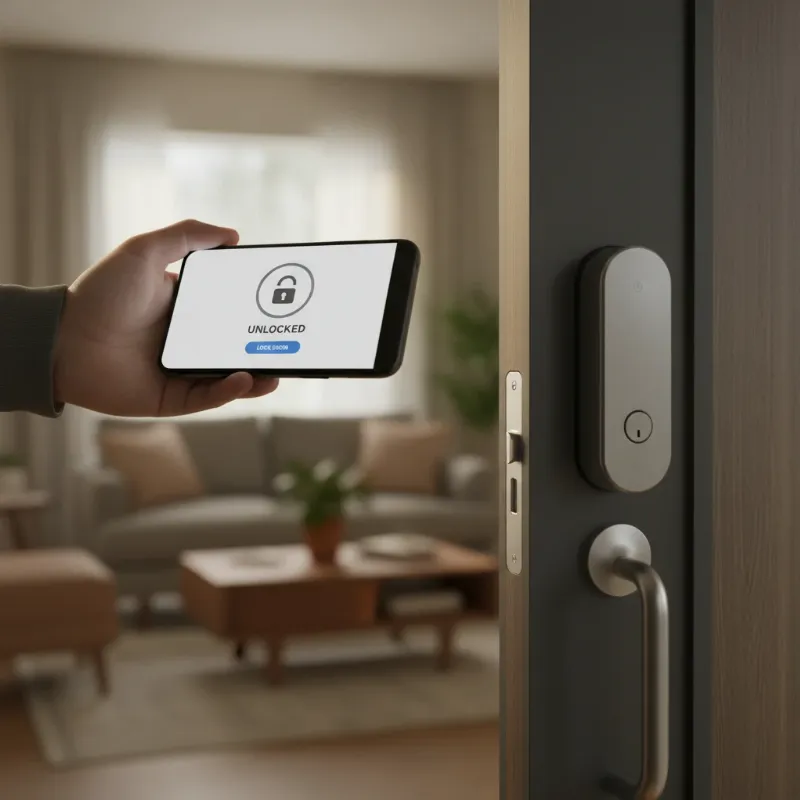 Person using a smartphone to remotely unlock a smart door lock for keyless access.
Enhanced Security
Smart locks bring a new layer of security to your home. They often incorporate advanced encryption methods, making them highly resistant to hacking attempts. Features like intrusion alerts notify you instantly if someone tries to tamper with your lock or force entry. Activity logs provide a detailed history of who entered and exited your home, offering invaluable peace of mind. The absence of physical keys also eliminates the risk of key duplication or loss, further tightening your home’s defenses.
Intelligent Features and Integration
Beyond basic locking mechanisms, smart locks are often packed with intelligent features. Many can integrate with existing smart home systems, allowing you to control them alongside lighting, thermostats, and security cameras from a single app. Voice control compatibility with devices like Amazon Alexa or Google Assistant adds another layer of hands-free convenience. These integrations create a truly cohesive and automated living environment, where your home responds to your needs effortlessly.
Modern and Diverse Design
Smart locks are not just functional; they are also designed to complement modern aesthetics. Available in a wide array of styles, finishes, and configurations, they can seamlessly blend with your home’s exterior and interior decor. From sleek, minimalist designs to more robust, traditional looks with a technological twist, there’s a smart lock to match every architectural style.
Does a Smart Lock Increase Home Value?
The direct answer is yes, smart locks can indeed increase your home’s value and marketability. In today’s competitive real estate landscape, homes equipped with modern technology often stand out to potential buyers.
Studies show that smart security systems, which include smart locks, can add a tangible increase to a home’s value, potentially up to 5%. This translates to a significant return on investment, especially on higher-valued properties. Furthermore, a survey by Coldwell Banker revealed that a remarkable 81% of buyers express a preference for homes featuring smart technology.
Reasons Smart Locks Boost Property Value:
- Enhanced Security Appeal: Home security is a top priority for most buyers. Smart locks offer advanced protection features like keyless entry, remote monitoring, and activity logs, providing immense peace of mind. This perceived increase in safety makes a property more desirable.
- Modernization and Marketability: Installing smart locks signals that a home is updated, well-maintained, and embraces contemporary living. This modernization can make your property more attractive in a crowded market, potentially leading to faster sales and higher selling prices.
- Convenience as a Selling Point: The convenience offered by smart locks—such as remote access for deliveries or guests, and eliminating the need for physical keys—is a powerful draw for busy individuals and families. Buyers appreciate features that simplify their daily lives.
- Integration with Smart Home Ecosystems: As smart home technology becomes more mainstream, buyers increasingly seek properties that are already integrated. Smart locks serve as a foundational element of a connected home, adding to its overall appeal as a “smart home ready” property.
Factors Influencing Return on Investment (ROI)
While smart locks generally add value, several factors can influence the extent of your ROI. Regional market trends play a role; tech-forward areas might see a higher premium for smart features. Professional installation, especially for integrated systems, can also command a higher value compared to DIY setups, as buyers trust the reliability of expert work. Compatibility with various smart home platforms is also a consideration; locks that integrate with multiple ecosystems (e.g., HomeKit, Google Home, Alexa) tend to be more appealing to a broader range of buyers, ensuring the smart features remain useful regardless of their preferred platform.
Smart locks are also a game-changer for rental properties, offering benefits like self-check-in for short-term rentals and easy management of temporary access codes for tenants, which can increase rental appeal and streamline operations.
Popular Types of Smart Locks on the Market
The smart lock market offers a diverse range of technologies, each with unique advantages and applications. Understanding these differences can help you select the ideal lock for your home and lifestyle.
Fingerprint Locks
Fingerprint locks utilize biometric technology to grant access, making them incredibly convenient and secure.
- Advantages: Extremely fast access, no keys to lose or codes to remember, high security due to unique biometrics.
- Disadvantages: May sometimes struggle with wet or dirty fingers, generally higher cost.
- Ideal for: Family homes, high-security areas, or anyone seeking effortless, keyless entry.
Card Locks
Often seen in hotels and offices, card locks use RFID (Radio-Frequency Identification) technology for access.
- Advantages: Easy to issue and revoke access cards, durable and resistant to wear, useful for managing multiple users.
- Disadvantages: Cards can be lost or stolen, though usually easily deactivated.
- Ideal for: Offices, short-term rentals, guest houses, or homes where temporary access needs to be managed frequently.
Keypad Locks
Keypad locks rely on a numerical code entered on a physical keypad to unlock the door.
- Advantages: No physical keys needed, easy to share codes (temporarily or permanently), relatively affordable.
- Disadvantages: Codes can be forgotten or potentially observed by others, some basic models may offer less advanced security.
- Ideal for: Garages, side doors, utility rooms, or as a primary lock for those who prefer a simple, reliable keyless solution.
Facial Recognition Locks
Representing the cutting edge of smart lock technology, facial recognition locks use advanced cameras and AI to identify authorized users.
- Advantages: Highly secure, completely hands-free and keyless, provides a futuristic and luxurious experience.
- Disadvantages: Highest cost, potential for performance issues in poor lighting conditions, privacy concerns for some users.
- Ideal for: Luxury homes, high-tech enthusiasts, or those seeking the ultimate in convenience and security.
Remote Control Locks (Bluetooth, Wi-Fi)
These locks allow you to control them via a smartphone app, often using Bluetooth for close-range operation or Wi-Fi for remote access.
- Advantages: Full control from anywhere (with Wi-Fi), easy integration with smart home systems, often include activity logs and virtual key sharing.
- Disadvantages: Relies on smartphone battery and network connectivity, Wi-Fi models consume more power.
- Ideal for: Homeowners who prioritize remote management, smart home integration, and detailed access monitoring.
Comparison of Popular Smart Lock Types
| Feature | Fingerprint Lock | Card Lock | Keypad Lock | Facial Recognition Lock | Remote Control Lock |
|---|---|---|---|---|---|
| Security Level | High | Medium | Medium | Very High | High |
| Convenience | Very High | Medium | High | Very High | High |
| Cost | Medium | Low | Low | Very High | Medium |
| Best For | Families, Offices | Hotels, Offices | Households, Garages | Luxury Homes, Tech Enthusiasts | Smart Homes, Rentals |
How to Choose the Right Smart Lock for Your Home
Selecting the perfect smart lock involves more than just picking the trendiest model; it requires a thoughtful assessment of your specific needs, the type of door, and your integration preferences. Making an informed decision ensures you get a lock that offers both security and convenience for years to come.
First, identify your primary needs and the type of door you’ll be securing. Is it a main entry door requiring maximum security and advanced features, or a secondary door where convenience might be a higher priority? Consider the door’s material, thickness, and whether it has a deadbolt or handle set you want to integrate with. Also, establish your desired level of security and convenience, as well as your budget, which will narrow down your options considerably.
Next, research reputable brands in the market. Companies like Philips, Yale, Samsung, and Xiaomi are known for their quality and innovation in the smart lock space. Look into their product lines, technological offerings, and commitment to security. Reading professional reviews and, crucially, user testimonials can provide real-world insights into product performance and reliability.
Compare the features and technical specifications of different products. Do you need Wi-Fi for remote access, or is Bluetooth sufficient for your needs? What access methods are preferred: fingerprint, keypad, card, or facial recognition? Consider battery life, weather resistance, and compatibility with your existing smart home ecosystem (e.g., Apple HomeKit, Google Home, Amazon Alexa). Future-proofing is key; choosing a lock with cross-platform compatibility can add value if you sell your home later.
Finally, always check the warranty and technical support policies of any smart lock you consider. A strong warranty indicates a manufacturer’s confidence in their product, and reliable customer support is invaluable should you encounter any issues during installation or use. Investing in a smart lock from a company with excellent post-sales service provides an extra layer of reassurance.
Tips for Using and Maintaining Smart Locks Correctly
To ensure your smart lock operates reliably and securely for years, proper usage and maintenance are essential. Adhering to these simple guidelines will maximize its lifespan and keep your home protected.
Firstly, make battery replacement a regular habit. Most smart locks operate on standard AA or AAA batteries, and while they often provide low-battery warnings, proactive replacement every 6-12 months, depending on usage, prevents unexpected lockouts. It’s a small effort that ensures uninterrupted performance. Secondly, keep your lock clean. Dust, dirt, and moisture can affect electronic components and moving parts. Gently wipe the keypad, sensor, and exterior with a soft, dry cloth periodically to prevent build-up. Avoid harsh chemicals or abrasive cleaners that could damage the finish or internal electronics.
Moreover, regularly update your smart lock’s software or firmware. Manufacturers frequently release updates to enhance security, fix bugs, and introduce new features. Staying current with these updates ensures your lock has the latest protections against vulnerabilities and operates with optimal efficiency. This is typically done through the associated smartphone app. Crucially, never share your passwords or access codes with strangers, and be cautious about whom you grant temporary access. Use strong, unique PINs and change them periodically. If you use biometric access, ensure only authorized fingerprints or faces are enrolled.
Lastly, if you encounter any significant issues or malfunctions that troubleshooting steps don’t resolve, always contact the manufacturer’s technical support or a certified professional. Attempting complex repairs yourself could void warranties or cause further damage. Trusting experts ensures the problem is resolved correctly and safely.
Common Smart Lock Issues and How to Fix Them
Even the most advanced smart locks can encounter occasional glitches. Knowing how to troubleshoot common problems can save you time and ensure your home remains secure.
One frequent issue is the lock not recognizing a fingerprint or access card. This can often be due to dirty sensors or fingers/cards. Try cleaning the sensor thoroughly and ensuring your finger is clean and dry. If the problem persists, re-enroll your fingerprint or re-scan your card in the app, or calibrate the sensor if the option is available.
A dead battery is another common culprit for a non-responsive lock. While most locks provide low-battery warnings, if it dies unexpectedly, many smart locks have a backup power option, such as terminals for a 9V battery jump-start, or a hidden physical keyhole. Always check your lock’s manual for emergency power options and keep a spare 9V battery handy.
Sometimes, the lock mechanism might jam or fail to engage. This can be caused by misaligned doors or frames, or internal mechanical issues. First, check if the door frame or strike plate has shifted, preventing the deadbolt from extending fully. If it’s a new installation, ensure the lock is properly aligned. For internal issues, cleaning and lubricating the mechanical parts (if accessible and recommended by the manufacturer) might help, but often, this requires professional assistance.
Regarding security concerns like a lock being “hacked,” while rare, it’s crucial to use strong, unique passwords for your smart lock app and home Wi-Fi network. Enable two-factor authentication if available. Regularly update your lock’s firmware, as these updates often include security patches. If you suspect unauthorized access, immediately change all passwords, revoke any shared access, and contact the manufacturer’s support for guidance.
Future Trends in Smart Locks
The world of smart locks is constantly evolving, driven by advancements in artificial intelligence, connectivity, and user experience. The future promises even more intuitive, secure, and integrated solutions for our homes.
One of the most exciting trends is the deeper integration of Artificial Intelligence (AI). AI will enable smart locks to learn user behavior patterns, anticipate needs, and adapt security protocols dynamically. Imagine a lock that can differentiate between family members and unfamiliar faces, or one that automatically adjusts sensitivity based on the time of day or known threats. This will lead to highly personalized and proactive security measures.
Enhanced connectivity with other smart home devices will also become standard. We can expect seamless interaction with smart lighting, thermostats, and security cameras, creating a truly unified home automation experience. For instance, your smart lock could trigger your lights to turn on, adjust the temperature, and arm your security system the moment you lock the door from the outside. The goal is to create a responsive home environment that works harmoniously.
The potential for blockchain technology to increase security in smart locks is also being explored. By creating decentralized, immutable ledgers for access permissions and activity logs, blockchain could offer an unparalleled level of transparency and tamper-proof security, reducing vulnerabilities to cyber-attacks and ensuring data integrity.
Beyond these, we might see the development of novel access methods, such as voice recognition for unlocking doors or gesture-based controls. Imagine a lock that responds to a specific spoken phrase or a unique hand gesture. Furthermore, biometric technologies will likely advance, with more robust and reliable facial, iris, and even gait recognition systems becoming common. The smart lock of tomorrow will not just secure your home; it will be an intelligent, predictive, and integral part of your connected life.
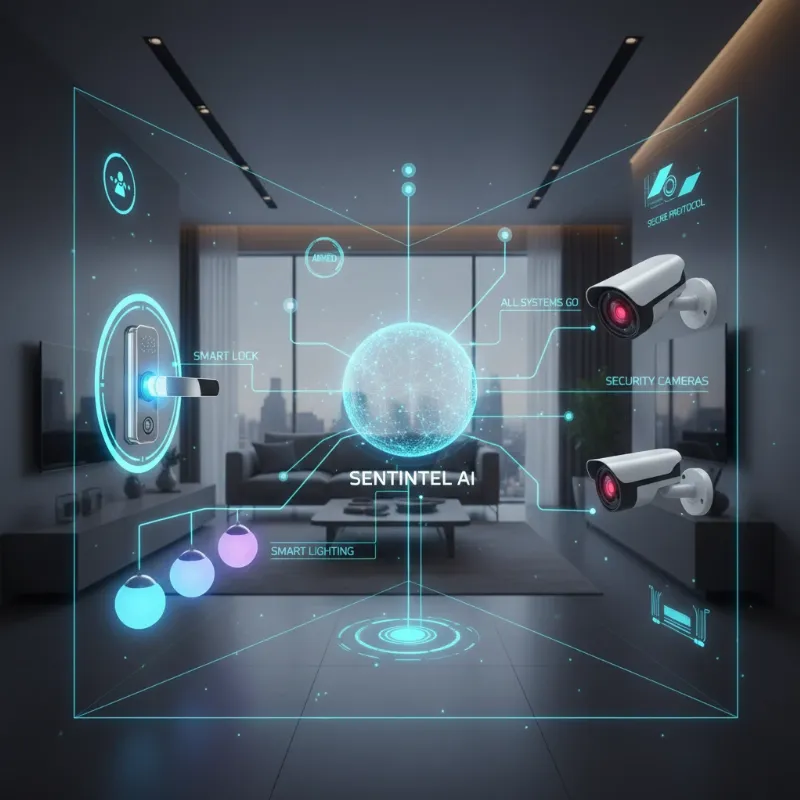 Futuristic home security with AI-powered smart locks and integrated smart home devices.
Conclusion
Smart locks are rapidly transitioning from niche gadgets to essential components of the modern home. They offer a compelling blend of convenience, enhanced security, and seamless integration, transforming our daily routines and providing unparalleled peace of mind. Beyond the immediate benefits, investing in quality smart locks can tangibly boost your property’s marketability and value, making your home more attractive to discerning buyers who prioritize both technology and safety.
By understanding the diverse types available, making an informed choice, and committing to proper maintenance, you can unlock the full potential of these intelligent devices. Embracing smart lock technology is not just an upgrade for your door; it’s an investment in the future of your home’s security, efficiency, and overall appeal.
Are you ready to experience the convenience and security that smart locks can bring to your home?
Frequently Asked Questions
Are smart locks safer than traditional locks?
Generally, yes, smart locks offer enhanced security features beyond traditional locks. They provide keyless entry, remote monitoring, activity logs, and encryption, making them more resistant to conventional break-in methods like lock picking or key duplication. However, the overall security also depends on proper installation, strong digital passwords, and regular software updates.
How much value does a smart lock add to a home?
While a single smart lock’s direct financial contribution can vary, smart security systems, which include smart locks, can add up to 5% to a home’s value, according to industry studies. This increase is influenced by regional market demand for smart homes, the quality of the installation, and the lock’s integration with a broader smart home ecosystem.
Is it difficult to install smart locks?
Many smart locks are designed for DIY installation, often fitting into standard deadbolt bores with basic tools. However, for more complex or integrated smart lock systems, professional installation is recommended. Expert installation ensures proper functionality, full integration with your smart home, and can contribute to a higher perceived value for potential buyers.
Do smart locks require Wi-Fi?
Not all smart locks require Wi-Fi. Many models utilize Bluetooth for local control via a smartphone, which doesn’t need an internet connection. However, Wi-Fi connectivity is necessary for remote access, allowing you to control and monitor your lock from anywhere in the world. Some locks also use Zigbee or Z-Wave, which require a compatible smart home hub.