Introduction
The evolution from traditional mechanical keys to smart, keyless entry systems marks a significant shift in how we secure and access our homes and businesses. These advanced systems are rapidly gaining popularity due to the unparalleled convenience and enhanced security they offer. This article aims to explore the comprehensive benefits and potential drawbacks of keyless entry systems, providing you with the necessary insights to make an informed decision for your property.
What Are Keyless Entry Systems?
Keyless entry systems are digital or electronic mechanisms that grant access to a property without the need for a traditional physical key. Their history traces back from simple numeric keypads to the sophisticated, connected devices prevalent today. These systems leverage various technologies to authenticate users and unlock doors.
The primary types of keyless entry systems include:
- Keypad/Code systems: Users enter a specific numerical code to gain access.
- Biometric systems: These utilize unique biological characteristics, such as fingerprints or facial recognition, for authentication.
- Card-based systems: Access is granted by swiping or tapping an RFID or NFC card or fob.
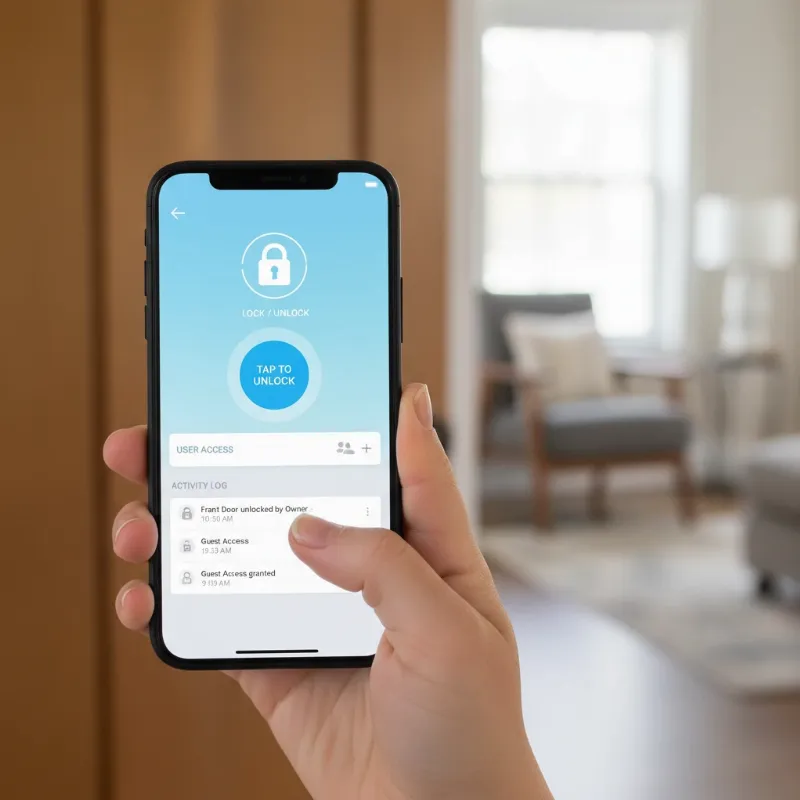
- Smartphone-controlled systems: These systems allow users to lock and unlock doors via Bluetooth or Wi-Fi connections on their mobile devices.
Unlocking the Advantages: The Pros of Keyless Entry Systems
Keyless entry systems bring a multitude of advantages that enhance both security and user experience.
- Enhanced Security:
- Eliminates the risk associated with lost or stolen physical keys.
- Utilizes advanced encryption protocols to protect access codes and data.
- Allows for the creation of unique, temporary access codes for visitors or service providers.
- Provides audit trails, logging every entry and exit.
- Unparalleled Convenience:
- Offers key-free access, eliminating the need to carry or fumble for keys.
- Enables remote management, allowing users to control access from anywhere.
- Facilitates easy access for multiple users or guests without physical key duplication.
- Removes the concern of hidden spare keys being discovered.
- Customizable and Flexible Access:
- Grants or revokes access permissions remotely and instantly.
- Allows the setting of time-sensitive codes, limiting access to specific hours or days.
- Monitoring and Control:
- Maintains a digital log of all entries and exits, providing a clear overview of activity.
- Integrates seamlessly with smart home systems for a cohesive security and automation ecosystem.
- Durability and Modern Design:
- Often built with robust materials to withstand various environmental elements.
- Contributes to the aesthetic appeal of a property with sleek, modern designs.
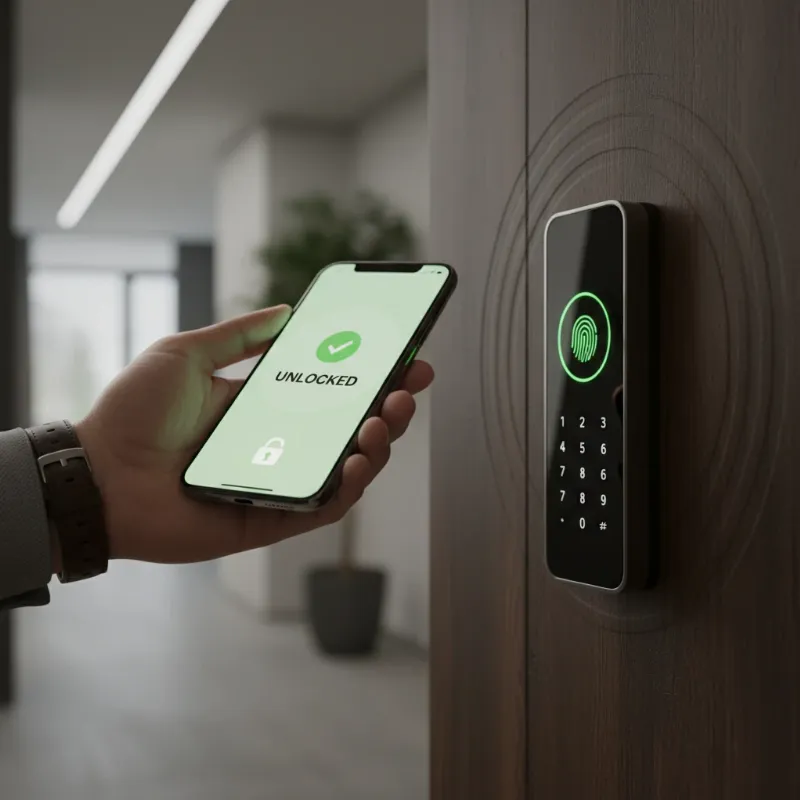 A person effortlessly unlocking a smart door lock with their smartphone, emphasizing convenience and modern security.
Examining the Drawbacks: The Cons of Keyless Entry Systems
Despite their numerous benefits, keyless entry systems also come with certain disadvantages that potential users should consider.
- Higher Initial Cost:
- Generally more expensive to purchase and install compared to traditional mechanical locks.
- Requires a careful evaluation of the long-term investment versus the upfront cost.
- Dependence on Technology and Power:
- Relies on battery life, necessitating regular checks and replacements.
- Vulnerable to power outages, system glitches, or software failures.
- Carries the risk of being locked out if batteries die or technology malfunctions without a backup.
- Potential Security Vulnerabilities:
- Can be susceptible to hacking risks, such as relay attacks or software vulnerabilities, if not properly secured.
- Codes can be compromised through “shoulder surfing” or by observing worn keypad buttons.
- Learning Curve for New Users:
- Requires an adaptation period, especially for individuals who are not tech-savvy.
- System Malfunctions:
- Electronic components can fail, although many systems include manual override options.
- Issues with smartphone applications or connectivity can hinder access.
Types of Keyless Entry Systems Explained
Understanding the different types of keyless entry systems is crucial for choosing the right one.
- Keypad/Code Locks: These are among the simplest and most common keyless entry solutions, relying on a numerical code.
- Biometric Locks: Offering high security and convenience, these locks use unique biological identifiers such as fingerprints or facial recognition.
- Smart Card/Fob Locks: Widely used in commercial settings and hotels, these systems grant access via RFID or NFC cards/fobs.
- Bluetooth Locks: These systems operate over a short range, allowing smartphone control when in close proximity.
- Wi-Fi Locks: Providing remote access from virtually anywhere, these locks connect directly to your home’s Wi-Fi network.
| Features | Fingerprint Locks | Card Locks | Code/Keypad Locks | Facial Recognition Locks | Remote Control (Bluetooth/Wi-Fi) Locks |
|---|---|---|---|---|---|
| Security Level | Very High | Medium | Medium | Very High | High |
| Convenience | Very High | High | High | Very High | Very High |
| Cost | High | Medium | Low | Very High | Medium to High |
| Best Suited For | Homes, High-end | Offices, Hotels | Homes, Rental | Homes, High-end | Homes, Offices |
| Apartments | Properties | Apartments |
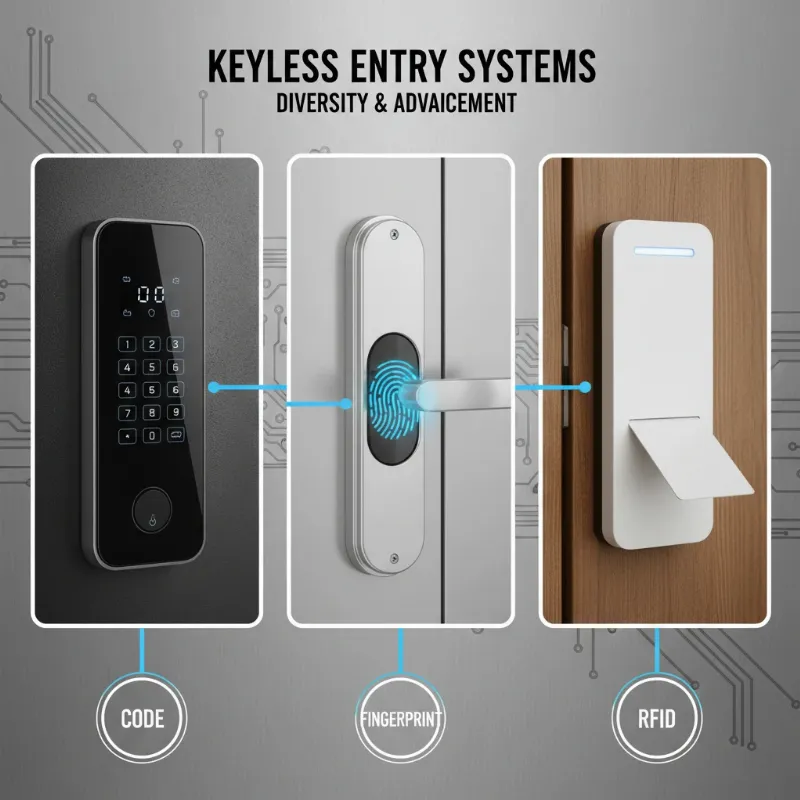 A visual comparison showing various types of keyless entry systems including keypad, fingerprint, and card readers.
Choosing the Right Keyless Entry System for Your Needs
Selecting the ideal keyless entry system involves a thorough assessment of several factors to ensure it meets your specific requirements.
- Assess Security Requirements: Determine the level of security needed for your home, business, or specific type of property.
- Consider Budget: Evaluate the initial cost, installation fees, and potential long-term maintenance expenses.
- Evaluate Features: Prioritize features such as remote access, smart home integration, audit trails, and temporary code generation.
- Read Reviews and Research Brands: Consult user reviews and research reputable brands known for reliability and customer support.
- Check Warranty and Support: Ensure the system comes with a comprehensive warranty and readily available technical support.
Best Practices for Using and Maintaining Keyless Entry Systems
To maximize the performance and longevity of your keyless entry system, adhere to these best practices.
- Regular Battery Checks/Replacement: Monitor battery levels and replace them proactively to prevent unexpected lockouts.
- Keep Software Updated: Regularly update the system’s software or firmware to patch security vulnerabilities and improve functionality.
- Change Codes Periodically: Frequently change access codes, especially after staff or guests depart, to maintain security.
- Protect Codes from “Shoulder Surfing”: Be mindful of your surroundings when entering codes to prevent others from observing them.
- Have a Backup Plan: Always have an alternative access method, such as a manual key override or spare batteries, ready.
- Clean Regularly: Keep the keypad, sensor, or card reader clean to ensure optimal performance.
Common Issues and Troubleshooting for Keyless Locks
Users may encounter various issues with keyless locks; here are some common problems and their solutions:
- Battery Drain: Replace batteries immediately and check for low battery warnings. Consider using high-quality, long-lasting batteries.
- Forgotten Codes: Utilize the master code or reset the code through the accompanying smartphone app or system interface.
- Fingerprint Scanner Issues: Clean the sensor thoroughly and re-register fingerprints for improved accuracy.
- Connectivity Problems (Bluetooth/Wi-Fi): Verify your router’s status, check the smartphone app, and ensure a strong signal between the lock and network.
- System Freezes/Glitches: Attempt a system restart; if available, use the manual override.
- Hacking Concerns: Employ strong, unique codes, enable multi-factor authentication, and ensure all software is up-to-date.
The Future of Keyless Entry: Innovations on the Horizon
The landscape of keyless entry is continuously evolving, with exciting innovations poised to redefine access control.
- Enhanced AI Integration: Future systems will likely feature predictive access based on learned patterns and adaptive security measures.
- Greater Smart Home Ecosystem Integration: Seamless integration with broader smart home platforms for unified control and automation.
- Blockchain for Ultimate Security: The use of blockchain technology could provide unparalleled security and immutability for access logs.
- Advanced Biometrics: Innovations like vein scanning and behavioral recognition will offer even more secure and convenient authentication methods.
- Voice and Gesture Control: The ability to unlock doors using voice commands or specific gestures, adding another layer of hands-free convenience.
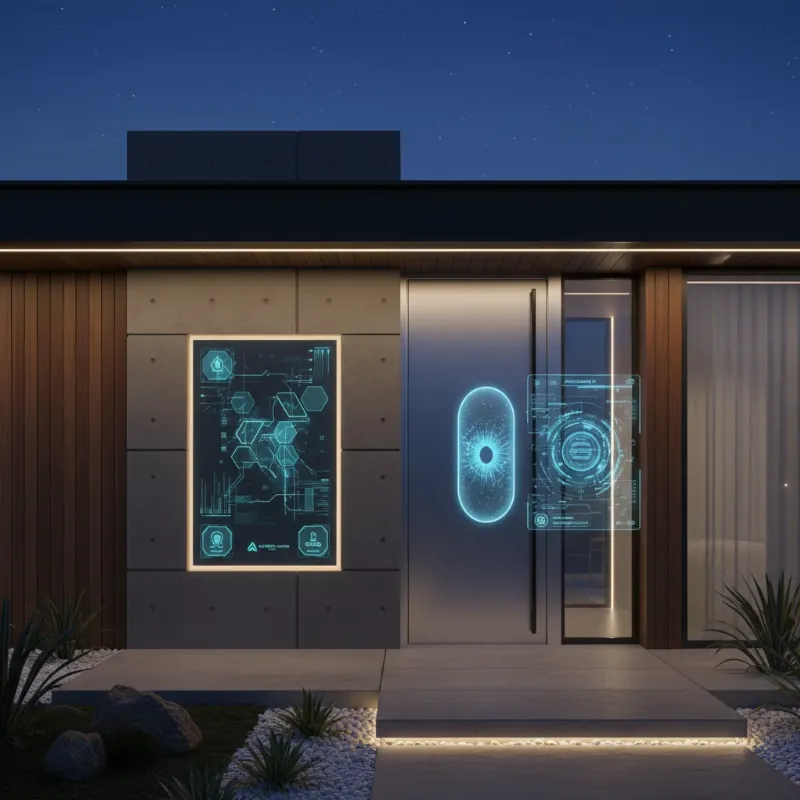 A futuristic smart home entrance with advanced biometric scanning, AI integration, and seamless smart home connectivity.
Conclusion
Keyless entry systems undeniably offer significant advantages in terms of security, convenience, and flexibility, marking a substantial improvement over traditional lock-and-key mechanisms. However, being mindful of their inherent drawbacks, such as initial cost and technological dependence, is crucial. By carefully considering your specific needs and the features available, you can make an informed decision that enhances your property’s security and modernizes your access control. The future of access is undeniably digital, promising even more innovative and secure solutions.
Frequently Asked Questions
Are keyless entry systems safer than traditional locks?
|
Our Picks for the Best smart locks in 2026
As an Amazon Associate I earn from qualifying purchases.
|
||
| Num | Product | Action |
|---|---|---|
| 1 | Smart Door Handle Lock with Keypad: Yamiry Fingerprint Smart Knob - Keyless Entry Digital Lock for Front Door - Deadbolt with APP - Generate Passcode Remotely - DIY Installation |

|
| 2 | Yale Security Assure Lock 2 Deadbolt, Black Suede Keyed Smart Entry Door Lock with Wi-Fi Connected Keypad for Code Entry and Remote Access, YRD410-WF1-BSP |
|
| 3 | Smart Door Lock with Camera Fingerprint Keyless Entry Door Lock Electronic Deadbolt with Keypad Code, App Remote Control, Auto Unlock for Front Door |
|
| 4 | Schlage Encode Smart WiFi Deadbolt Lock for Front Door - Keyless Entry with App or Touchscreen - Works with Alexa, Hey Google, & Airbnb - Create Codes for Guests - Matte Black |
|
| 5 | Wyze Auto-Lock Bolt v2, Fingerprint Keyless Entry Smart Lock, AI Learning Scanner with Wi-Fi Front Door Lock Deadbolt, Auto-Lock, 8 Months Battery, BHMA2, IP53, Anti-Peep Keypad, Backup Keys |
|
| 6 | Tapo Smart Wi-Fi Deadbolt Door Lock – Keyless Tactile Buttons, Customized Access with in-App Monitoring, Auto-Lock, IP54 Weatherproof, BHMA Grade 3, Compatible with Standard Door Sizes, Tapo DL100 |
|
| 7 | Wyze Palm Lock, Smart Door Lock with Palm Vein Recognition, Keyless Entry Smart Locks for Front Door, Keypad, Auto Lock, Dual Battery, Wi-Fi, Works with Alexa & Google, BHMA, IP53, Mechanical Key |
|
| 8 | Schlage Encode Smart WiFi Deadbolt Lock for Front Door - Keyless Entry with App or Touchscreen - Works with Alexa, Hey Google, & Airbnb - Create Codes for Guests - Satin Nickel Silver |
|
| 9 | TEEHO TE001 Keyless Entry Door Lock with Keypad - Smart Deadbolt Lock for Front Door with 2 Keys - Auto Lock - Easy Installation - Matte Black |
|
| 10 | ULTRALOQ U-Bolt Pro WiFi Smart Lock with Door Sensor, 8-in-1 Keyless Entry Door Lock with Fingerprint ID, App Remote Control, Built-in WiFi Keypad Deadbolt, Auto Unlock, IP65 Waterproof, Easy Install |
|
Generally, yes. Keyless entry systems offer features like unique, temporary codes, digital audit trails, and eliminate vulnerabilities associated with lost or stolen physical keys. However, they introduce their own set of digital vulnerabilities, such as potential hacking risks or reliance on power and battery life, which must be managed through best practices and robust security measures.