Have you ever been halfway to work and felt that sudden jolt of panic? “Did I lock the front door?” It’s a feeling we all know. While smart locks have solved that problem for many, it introduces a new, more modern question: “Is my digital key safe?” This is where understanding Smart Lock Encryption Technology becomes not just important, but essential for true peace of mind. It’s the invisible shield that protects your home in the digital age, turning a simple convenience into a robust security solution.
To understand how your smart lock stays secure, it helps to know how we got here. While the idea of a keyless future is exciting, the security protocols behind it have evolved significantly. For those interested in a broader view of how these devices connect, understanding the differences between [smart lock with WiFi vs Bluetooth](https://smartlockspro.com/smart-lock-with-wifi-vs-bluetooth/) is a great starting point for appreciating the nuances of their security architecture.
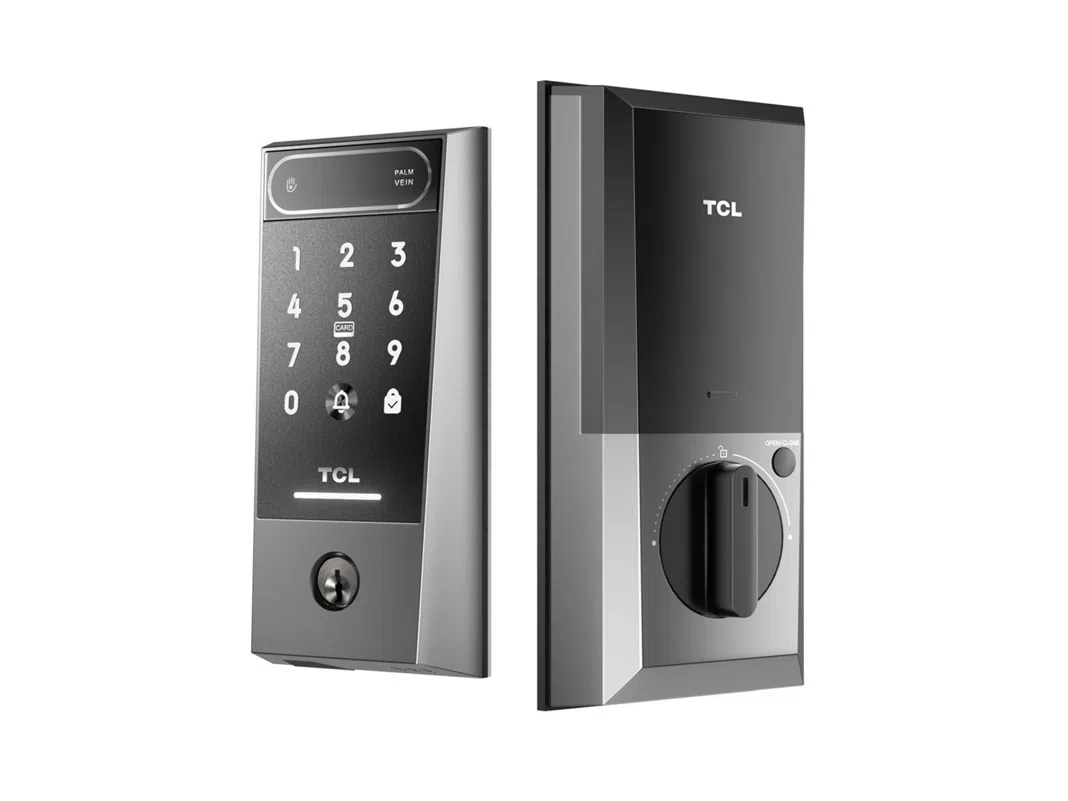
What Exactly Is Smart Lock Encryption Technology?
At its core, smart lock encryption technology is the process of scrambling the data sent between your smartphone and your smart lock so that only you and your lock can understand it. Think of it like a secret code. When you tap “unlock” on your app, your phone doesn’t just shout “OPEN!” across the airwaves. Instead, it sends a message that looks like a jumbled mess of letters and numbers to any outsider trying to eavesdrop.
This “jumbling” is done using a complex mathematical algorithm and a unique “key.” Only your lock has the corresponding key to unscramble the message and follow the command. This happens in a fraction of a second, but it’s an incredibly powerful defense.
The Gold Standard: AES Encryption
Most high-quality smart locks, including those from Smartlocks Pro, use an encryption standard called AES (Advanced Encryption Standard). You’ll typically see two versions:
- AES 128-bit: This is a very strong level of encryption. To put it in perspective, a supercomputer would need billions of years to crack it by brute force.
- AES 256-bit: This is the big brother—an even more complex version often referred to as “military-grade” encryption. It’s the same standard used by governments and banks to protect top-secret information.
When you’re shopping for a smart lock, seeing “AES 128-bit” or “AES 256-bit” on the box is a great sign. It means the manufacturer has prioritized the digital security of your front door.
How Does Encryption Protect Different Types of Smart Locks?
The way encryption is applied can differ slightly depending on how your lock communicates. Whether it uses Bluetooth, Wi-Fi, or another method, the fundamental goal is the same: keep your data private and secure at every step.
Bluetooth Low Energy (BLE) Security
Many smart locks use Bluetooth to communicate directly with your phone when you’re nearby. It’s a fantastic, low-power way to handle daily locking and unlocking. The smart lock encryption technology here works on a very short-range, point-to-point connection.
- Pairing: When you first set up your lock, your phone and the lock exchange security keys. This creates a trusted, one-to-one relationship.
- Communication: Every time you use the app, it sends an encrypted command. Even if a hacker were sitting on your porch trying to intercept the signal, all they would capture is gibberish without the specific key that your lock and phone share.
I remember setting up my first smart lock and being a bit nervous. I wondered if someone could just clone my phone’s signal. But learning about the secure pairing and rotating digital keys in modern Bluetooth protocols completely eased my mind. It’s like having a new secret handshake for every conversation.
Wi-Fi and Cloud-Based Security
For locks that connect to Wi-Fi, you get the amazing benefit of remote access—locking your door from the office or letting a friend in while you’re on vacation. This convenience, however, introduces an extra step: the cloud. This is where the security of the entire system is paramount. To learn more about this specific area, you might find our guide on [smart lock cloud security](https://smartlockspro.com/smart-lock-cloud-security/) to be an invaluable resource. The encryption here needs to protect your data in three places:
- From your phone to the cloud: This connection is typically secured with SSL/TLS, the same encryption that protects your online banking and shopping.
- Within the cloud server: The manufacturer’s servers must have robust security to protect user data.
- From the cloud to your lock: This final leg of the journey is also heavily encrypted to ensure the command is authentic and secure.
Security Expert Insight
“A common mistake consumers make is focusing only on the wireless signal,” notes David Chen, a Certified Information Systems Security Professional. “But true security is a chain. The strength of the smart lock encryption technology is just as important as the physical strength of the deadbolt and the security of the manufacturer’s cloud servers. You must evaluate all three.”
Are Smart Locks Really Safe From Hackers?
This is the million-dollar question, isn’t it? The honest answer is that no system is 100% impenetrable. However, hacking a modern smart lock from a reputable brand is extraordinarily difficult. A potential thief would find it infinitely easier to break a window or try to pick the physical lock.
The security of your smart lock relies on two key areas:
- The Manufacturer’s Role: This involves using strong smart lock encryption technology like AES, providing regular security updates (firmware), and securing their cloud infrastructure.
- Your Role as the User: Your security practices are just as crucial. This means using a strong, unique password for your account, enabling two-factor authentication (2FA) if available, and keeping your lock’s firmware updated.
Think of it like your home’s physical security. You can have the strongest deadbolt in the world, but it’s useless if you leave a key under the doormat. The same principle applies to your digital keys.
Beyond Encryption: Building a Complete Security Ecosystem
While encryption is the bedrock, a truly secure smart home is built on layers. Modern smart locks are designed to be part of a larger, interconnected system that enhances both convenience and safety.
For instance, the ability to control your lock through voice commands is a huge convenience, and understanding the security implications of that integration is key. For those who are interested in [smart lock with voice assistant](https://smartlockspro.com/smart-lock-with-voice-assistant/), our detailed guide covers how to set this up securely.
Furthermore, access methods are becoming more diverse. It’s no longer just about your phone. The security protocols must extend to these other forms of entry. The technology behind [smart lock smartcard compatibility](https://smartlockspro.com/smart-lock-smartcard-compatibility/) uses encrypted chips to ensure that only authorized cards can grant access. Similarly, advanced biometrics are now a reality. A detailed exploration of [smart lock with facial recognition](https://smartlockspro.com/smart-lock-with-facial-recognition/) shows how unique biological markers are converted into secure, encrypted data points for an even higher level of security.
Frequently Asked Questions
What is the best type of smart lock encryption?
AES 256-bit encryption is widely considered the gold standard for consumer security products. It provides an exceptionally high level of protection that is virtually impossible to crack with current technology, making it the top choice for securing your home.
Can a smart lock be hacked through Bluetooth?
While theoretically possible, it is extremely unlikely with modern locks. They use AES encryption and “frequency hopping” technology, which constantly changes the signal’s channel. A hacker would need to break the encryption and follow the frequency hops in real-time, which is a monumental task.
What happens to my smart lock if the power or internet goes out?
Most smart locks run on batteries, so a power outage won’t affect them. If your Wi-Fi goes down, you’ll lose remote access, but you can still operate the lock via Bluetooth when you’re in range or by using the physical key backup.
How do I know if my smart lock needs a firmware update?
The manufacturer’s app will typically notify you when a new firmware update is available. It’s crucial to install these updates promptly, as they often contain important security patches and performance improvements to the smart lock encryption technology.
Is a smart lock safer than a traditional lock?
A high-quality smart lock can be significantly safer. It eliminates the risk of lost or stolen keys, allows you to monitor access, and uses advanced digital encryption. A traditional lock is only as strong as its physical components and is vulnerable to picking or bumping.
Your Final Checkpoint for Peace of Mind
Choosing a smart lock is a major step in upgrading your home’s security and convenience. By focusing on the quality of the smart lock encryption technology, you are investing in the most critical component of that system. It’s the silent, tireless guardian that ensures your digital key is as secure, if not more so, than the old metal key in your pocket. So go ahead, leave the house with confidence. Your door is locked, and thanks to robust encryption, it’s also truly secure.