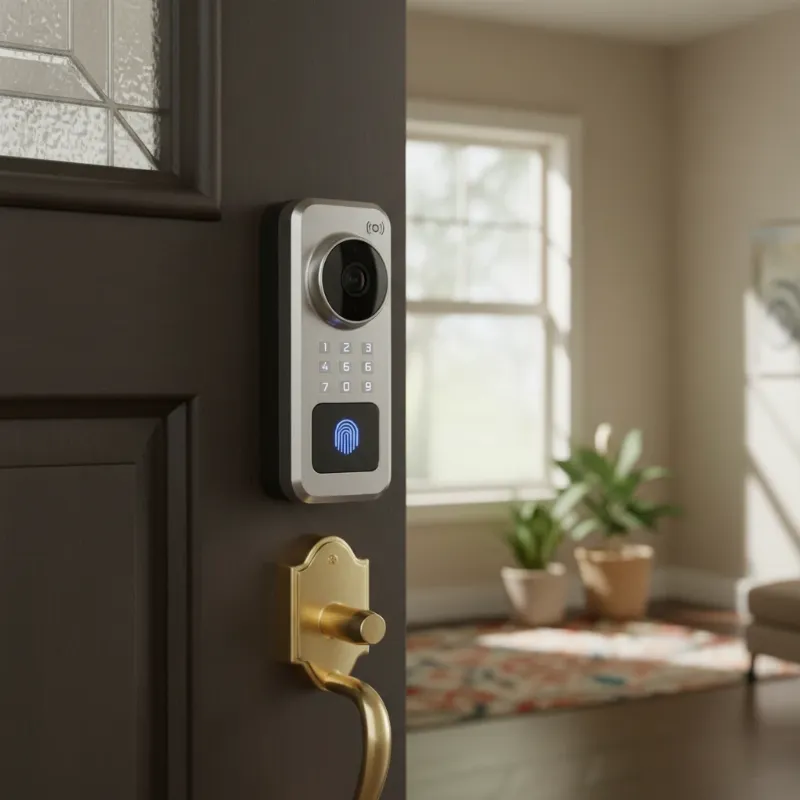
The tactile details of your home’s door hardware—from the reassuring weight of a doorknob to the sleek line of a lever—are more than functional elements; they are crucial components of your interior design story. The finish you select for your door locks and accompanying hardware can profoundly impact the aesthetic, setting the tone for each space and tying together your home’s overall style. A thoughtfully chosen finish ensures cohesion, enhances curb appeal, and can even influence the perceived value of your property. Neglecting this detail can result in visual discord, making a space feel disjointed or unfinished.
Understanding Lock Finishes and Their Importance
A lock finish refers to the surface treatment applied to door hardware, which dictates its appearance, texture, and protective qualities. These finishes are not merely colors; they are carefully engineered coatings, platings, or natural oxidations that influence durability, corrosion resistance, and how the hardware feels to the touch. Understanding these distinctions is the first step toward making informed design decisions.
The importance of matching door hardware extends beyond simple aesthetics. Cohesive hardware creates a sense of flow and intentional design throughout your home, much like a well-coordinated outfit. It contributes significantly to a polished and sophisticated look, boosting both the visual appeal and potential resale value of your property. Conversely, mismatched or poorly chosen finishes can detract from an otherwise beautiful interior, creating a jarring effect that undermines your design efforts. The material quality and finish also affect longevity and how well the hardware withstands daily use and environmental factors, particularly for exterior doors.
Exploring Popular Lock Finishes on the Market
The market offers a diverse array of lock finishes, each with unique characteristics, ideal applications, and aesthetic contributions. Recognizing the nuances of these popular options is key to making a selection that harmonizes with your home’s distinct style.
Matte Black
This sleek, non-reflective finish has surged in popularity for its modern and dramatic appeal. Matte black works exceptionally well in minimalist, industrial, farmhouse, and contemporary settings, providing a stark contrast against lighter doors or blending seamlessly with darker palettes. It’s renowned for hiding fingerprints and smudges, making it a low-maintenance choice that consistently offers a clean, fresh look.
Satin Nickel
A timeless and versatile option, satin nickel presents a warm, muted silver tone with a subtle, non-reflective sheen. Its balanced appearance diffuses light for a quiet glow, making fingerprints and minor abrasions less noticeable. Satin nickel complements a wide range of styles, from contemporary and transitional to traditional, and often pairs beautifully with cool color palettes. It’s also highly durable and easy to clean, making it a reliable choice for frequently used doors.
Oil-Rubbed Bronze
Evoking a sense of rustic charm and classic elegance, oil-rubbed bronze is a “living finish” designed to age gracefully over time. Initially dark with subtle copper undertones, it gradually develops a unique patina through wear, revealing lighter metallic accents. This finish is ideal for traditional, Mediterranean, Tuscan, and craftsman-style homes, adding depth and character. Its evolving nature means that no two pieces will age identically, contributing to its distinct appeal.
Polished Chrome
For those seeking a bright, reflective, and distinctly modern aesthetic, polished chrome is an excellent choice. Its mirror-like surface creates a striking visual impact, making it a favorite for contemporary, minimalist, and Art Deco-inspired interiors. Polished chrome is known for its durability and resistance to corrosion, but its highly reflective surface means it can readily show fingerprints, requiring more frequent cleaning to maintain its pristine shine.
Brushed Gold / Satin Brass
These finishes offer a softer, more subdued alternative to traditional polished brass, providing warmth and elegance without overwhelming shine. Brushed gold and satin brass hues range from soft, champagne tones to richer, golden shades, making them versatile for both contemporary and transitional styles, as well as classic interiors seeking a touch of understated luxury. They bring a sophisticated warmth that can elevate a space.
Stainless Steel / Satin Chrome
Often confused, stainless steel and satin chrome are both highly durable and widely used, particularly in commercial and high-traffic residential applications. Stainless steel, inherently corrosion-resistant, offers a clean, industrial look. Satin chrome, a plated finish, provides a contemporary silver-gray appearance. Both are excellent for their longevity and ability to withstand significant wear and tear, making them practical choices where durability is paramount.
Other notable finishes include Vintage Pewter for an aged, muted silver look, Rustic Brass for a more pronounced, antiqued brass aesthetic, and Graphite Nickel, a contemporary blend between matte black and stainless steel.
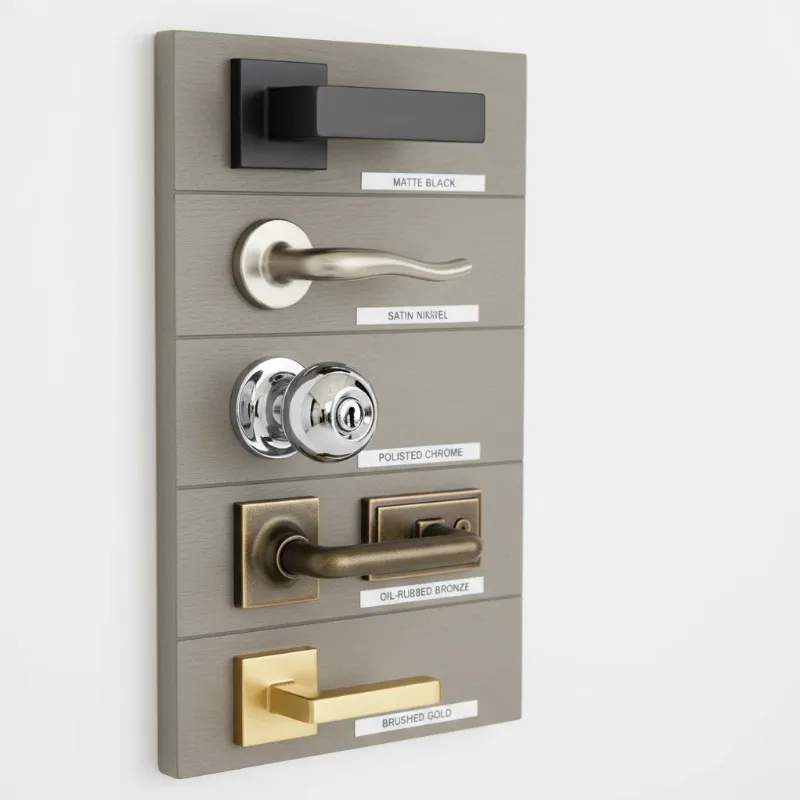 A diverse array of door hardware finishes showcasing different colors and textures, illustrating popular options like matte black, satin nickel, and polished chrome for home design.
A Comparative Look at Popular Lock Finishes
Choosing the perfect lock finish involves more than just personal preference; it requires understanding how each option performs and integrates with different design elements. This table provides a quick comparison of some of the most popular finishes to help guide your decision.
| Feature | Matte Black | Satin Nickel | Oil-Rubbed Bronze | Polished Chrome | Satin Brass |
|---|---|---|---|---|---|
| Appearance | Sleek, modern, low reflectivity | Warm silver, subtle glow, balanced | Dark, rustic, aged, develops patina | Bright, reflective, contemporary | Soft gold, warm, elegant |
| Durability | Good, hides fingerprints | Good, hides fingerprints/abrasions | Good (living finish) | Good, but shows fingerprints | Good |
| Maintenance | Easy | Easy | Varies (patina development) | Regular cleaning for shine | Easy |
| Best Suited For | Modern, minimalist, industrial, farmhouse | Contemporary, transitional, versatile | Traditional, rustic, craftsman | Modern, minimalist, Art Deco | Traditional, transitional, eclectic |
| Cost | Mid-range | Mid-range | Mid-high range | Mid-range | Mid-high range |
Guiding Your Choice: Selecting the Right Lock Finish
Selecting the ideal lock finish involves a thoughtful assessment of several factors unique to your home and personal style. It’s a decision that balances aesthetics with practical considerations, ensuring your hardware not only looks good but also performs well and contributes to a harmonious living environment.
Assess Your Home’s Architectural Style
|
Our Picks for the Best smart locks in 2026
As an Amazon Associate I earn from qualifying purchases.
|
||
| Num | Product | Action |
|---|---|---|
| 1 | Wyze Auto-Lock Bolt v2, Fingerprint Keyless Entry Smart Lock, AI Learning Scanner with Wi-Fi Front Door Lock Deadbolt, Auto-Lock, 8 Months Battery, BHMA2, IP53, Anti-Peep Keypad, Backup Keys |

|
| 2 | ULTRALOQ U-Bolt Pro WiFi Smart Lock with Door Sensor, 8-in-1 Keyless Entry Door Lock with Fingerprint ID, App Remote Control, Built-in WiFi Keypad Deadbolt, Auto Unlock, IP65 Waterproof, Easy Install |
|
| 3 | Schlage Encode Smart WiFi Deadbolt Lock for Front Door - Keyless Entry with App or Touchscreen - Works with Alexa, Hey Google, & Airbnb - Create Codes for Guests - Satin Nickel Silver |
|
| 4 | Schlage Encode Smart WiFi Deadbolt Lock for Front Door - Keyless Entry with App or Touchscreen - Works with Alexa, Hey Google, & Airbnb - Create Codes for Guests - Matte Black |
|
| 5 | Wyze Palm Lock, Smart Door Lock with Palm Vein Recognition, Keyless Entry Smart Locks for Front Door, Keypad, Auto Lock, Dual Battery, Wi-Fi, Works with Alexa & Google, BHMA, IP53, Mechanical Key |
|
| 6 | Smart Door Lock with Camera Fingerprint Keyless Entry Door Lock Electronic Deadbolt with Keypad Code, App Remote Control, Auto Unlock for Front Door |
|
| 7 | TEEHO TE001 Keyless Entry Door Lock with Keypad - Smart Deadbolt Lock for Front Door with 2 Keys - Auto Lock - Easy Installation - Matte Black |
|
| 8 | Yale Security Assure Lock 2 Deadbolt, Black Suede Keyed Smart Entry Door Lock with Wi-Fi Connected Keypad for Code Entry and Remote Access, YRD410-WF1-BSP |
|
| 9 | Smart Door Handle Lock with Keypad: Yamiry Fingerprint Smart Knob - Keyless Entry Digital Lock for Front Door - Deadbolt with APP - Generate Passcode Remotely - DIY Installation |
|
| 10 | Tapo Smart Wi-Fi Deadbolt Door Lock – Keyless Tactile Buttons, Customized Access with in-App Monitoring, Auto-Lock, IP54 Weatherproof, BHMA Grade 3, Compatible with Standard Door Sizes, Tapo DL100 |
|
The existing architectural style of your home provides a strong foundation for your finish choices. For instance, a Victorian-era home might benefit from the classic appeal of oil-rubbed bronze or polished brass, while a sleek, modern dwelling might call for the clean lines of matte black or polished chrome. Traditional homes often embrace warmer, richer finishes, whereas contemporary and minimalist designs lean towards cooler, unadorned metals. Consider the era, the prominent materials, and the overall design language of your space.
Consider Existing Hardware and Finishes
Before introducing new finishes, take stock of all existing hardware throughout your home. This includes not just door handles and locks, but also cabinet pulls, light fixtures, faucets, and even window hardware. While not everything needs to be an exact match, a consistent approach is key. Aim for finishes that either match precisely or complement each other within a cohesive color palette. For visible elements like door hinges, it is generally recommended that they match the finish of your handles and knobs to ensure a seamless look.
Evaluate Durability and Application
Different finishes offer varying levels of durability and are better suited for specific applications. Exterior doors, for example, require finishes that can withstand harsh weather conditions and resist corrosion, such as stainless steel or certain PVD (Physical Vapor Deposition) coated finishes. High-traffic interior doors may also benefit from more robust finishes like satin nickel, which are less prone to showing wear and tear. Polished finishes, while beautiful, tend to highlight fingerprints and scratches more readily than matte or brushed options, requiring more attentive maintenance.
Understand Undertones
To achieve a truly harmonious look, pay attention to the undertones of your finishes. Metals can generally be categorized as having warm or cool undertones. Warm metals, such as brass, bronze, and gold, typically pair best with warm color palettes and other golden-hued accents. Cool metals, including nickel, chrome, and brushed stainless steel, complement cooler color schemes and silvery tones. Mixing metals with consistent undertones can add depth and sophistication, whereas clashing undertones can create an unsettling visual effect.
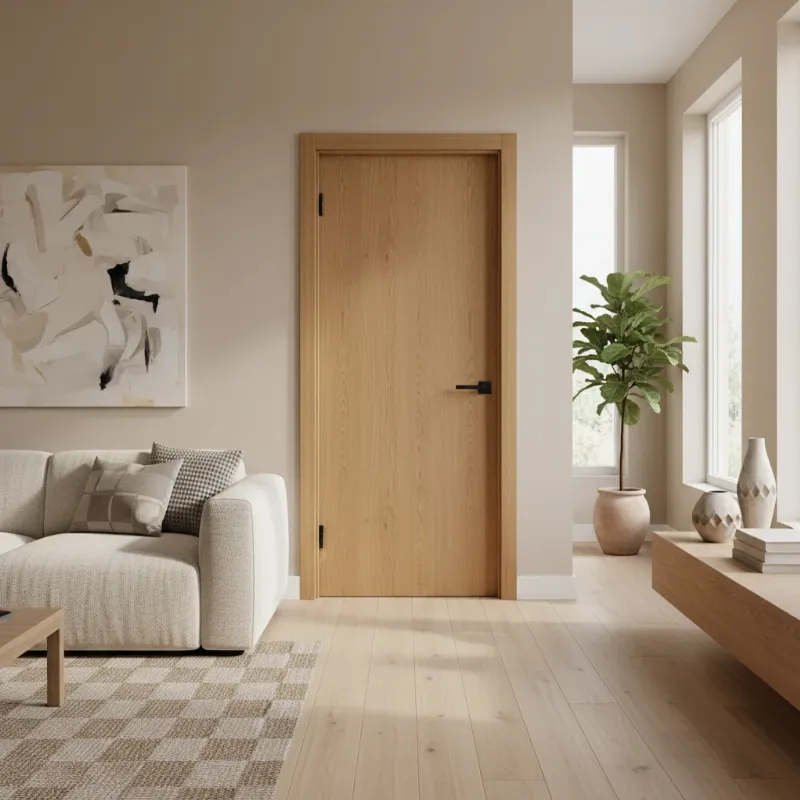 A stylish interior door with well-matched lock hardware and hinges, complementing the room's decor and demonstrating cohesive design principles for home renovators.
Test Finishes Under Your Home’s Lighting
The appearance of a finish can change dramatically under different lighting conditions. What looks perfect in a showroom might appear different in your home’s natural daylight or artificial lighting. It is highly advisable to obtain samples of your preferred finishes and test them directly on your doors or adjacent to existing hardware. This crucial step allows you to observe how the finish interacts with your specific environment, preventing costly mistakes and ensuring satisfaction with your final choice.
The Art of Mixing Finishes
While consistency is generally a good rule, thoughtfully mixing finishes can add character and visual interest to your home. The key is to be intentional and strategic. Limit your selection to two or, at most, three complementary finishes to avoid a chaotic appearance. Choose one dominant finish for major elements like door handles and hinges, and then introduce an accent finish for smaller details or in specific zones. For example, you might use satin nickel predominantly but incorporate matte black for a statement piece or in a different area of the home. Maintain cohesion by sticking to consistent undertones—warm with warm, cool with cool—to create a balanced and sophisticated layered look.
Maintaining the Luster: Tips for Your Lock Finishes
Once you’ve carefully selected your lock finishes, proper maintenance is essential to preserve their beauty and longevity. Different finishes require specific care to ensure they continue to enhance your home’s aesthetic for years to come.
Regular Cleaning
Regular, gentle cleaning is paramount for all hardware finishes. For most finishes, a soft, damp cloth and mild soap are sufficient to remove dust, fingerprints, and smudges. Avoid abrasive cleaners, harsh chemicals, or scouring pads, as these can strip away protective coatings, scratch surfaces, or alter the finish permanently. For polished chrome, a microfiber cloth can help achieve a streak-free shine.
Protecting “Living Finishes”
Finishes like oil-rubbed bronze are designed to evolve, developing a unique patina over time. If you appreciate this aged look, simply clean with a soft cloth and avoid polishing or using strong cleaners, which can hinder the natural aging process. If you prefer to slow the patina development, occasional application of a wax or a specialized metal protector may be considered, but always test in an inconspicuous area first.
Avoiding Harsh Chemicals
Many common household cleaners contain harsh chemicals that can damage hardware finishes, causing discoloration, corrosion, or pitting. Always check product labels and opt for gentle, non-abrasive, and pH-neutral cleaning solutions. When cleaning nearby surfaces, take care to protect your hardware from drips or overspray.
Addressing Wear and Tear
Even the most durable finishes can show signs of wear over time. Minor scratches on brushed or satin finishes can sometimes be gently buffed out with a fine-grit pad, always following the grain of the finish. For deeper damage or significant discoloration, repair kits may be available, or it might be time to consider replacing the hardware. Proactive care, however, significantly extends the life and appearance of your finishes.
Common Finish Challenges and Solutions
Despite best efforts, hardware finishes can encounter challenges. Knowing how to troubleshoot common issues can help you maintain your hardware’s appeal and functionality.
Fading or Discoloration: Exposure to UV light, harsh cleaning agents, or environmental factors (especially for exterior hardware) can cause finishes to fade or discolor. Ensure exterior hardware is rated for outdoor use. For interior pieces, reassess cleaning products or consider applying a UV-protective coating if fading is a recurring issue.
Scratches and Abrasions: Everyday use inevitably leads to minor scratches. For brushed or satin finishes, a very fine abrasive pad (like a Scotch-Brite pad) can sometimes blend small scratches by gently rubbing in the direction of the grain. This is not recommended for polished or plated finishes, which are better handled by professional repair or replacement.
Mismatched Appearance (Post-Installation): If your hardware looks mismatched after installation, consider creative solutions. You can introduce accent pieces in the “mismatched” finish elsewhere in the room to make it appear intentional, or use decorative escutcheon plates that might cover inconsistencies. In some cases, repainting a door or surrounding trim can help bridge the gap between clashing finishes.
Future Trends in Door Hardware Finishes
The world of interior design is always evolving, and door hardware finishes are no exception. Future trends are pointing towards enhanced durability, greater customization, and a stronger integration with smart home technologies. We can expect to see wider adoption of advanced coating technologies, such as PVD (Physical Vapor Deposition), which offer superior resistance to tarnish, corrosion, and scratches, ensuring finishes retain their pristine look longer. Additionally, there’s a growing interest in sustainable and eco-friendly manufacturing processes for hardware finishes, reflecting a broader consumer demand for environmentally conscious products. As homes become smarter, finishes that seamlessly complement integrated smart locks and voice-activated systems will also gain prominence, blending cutting-edge technology with timeless style.
Conclusion
Choosing the right lock finish for your door hardware is a pivotal decision that significantly influences your home’s aesthetic and overall value. By understanding the diverse range of available finishes, considering your home’s architectural style, and meticulously coordinating with existing elements, you can create a cohesive and inviting environment. Whether you gravitate towards the modern allure of matte black, the classic elegance of oil-rubbed bronze, or the versatile charm of satin nickel, careful selection and diligent maintenance will ensure your door hardware remains a beautiful and functional feature for years to come.
Are you ready to transform your home’s entryways with perfectly matched hardware?
Frequently Asked Questions
Do all door hardware finishes need to match throughout a house?
No, not all door hardware finishes must match throughout your entire home. While consistency often creates a cohesive look, it’s perfectly acceptable, and even encouraged, to mix and match finishes thoughtfully. The key is to select complementary finishes and maintain a consistent color palette, typically limiting choices to two or three distinct finishes for a balanced aesthetic.
Can I mix different metal finishes on my door hardware?
Yes, you can absolutely mix different metal finishes on your door hardware, but it requires a thoughtful approach. Successful mixing often involves choosing one dominant finish and one or two accent finishes, ensuring their undertones (warm or cool) are consistent. Avoid mixing very similar finishes like brushed nickel and satin nickel, as they might look unintentionally mismatched rather than intentionally blended.
How do I maintain an oil-rubbed bronze finish?
To maintain an oil-rubbed bronze finish, which is a “living finish,” avoid harsh chemical cleaners or abrasive polishes. Simply clean it with a soft, damp cloth and mild soap to preserve its natural aging process. The finish is designed to develop a unique patina over time, and aggressive cleaning can strip this desirable characteristic away.
What are the most durable lock finishes for exterior doors?
For exterior doors, durability and resistance to weather are paramount. Stainless steel, satin chrome, and finishes with PVD (Physical Vapor Deposition) coatings are among the most durable options. These finishes offer superior resistance to corrosion, fading, and wear, ensuring your exterior hardware maintains its appearance and functionality despite exposure to the elements.
What’s the difference between satin nickel and polished chrome?
Satin nickel offers a warm, muted silver appearance with a brushed, non-reflective sheen, effectively hiding fingerprints and minor scratches. Polished chrome, by contrast, has a bright, mirror-like, highly reflective surface. While both are durable, polished chrome tends to show fingerprints and water spots more readily and suits a more modern aesthetic, whereas satin nickel is versatile for many styles.